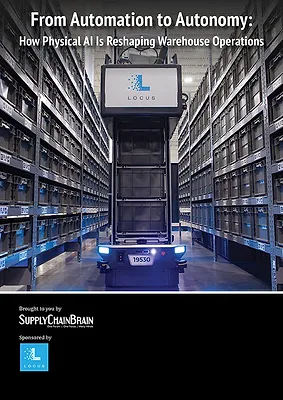
Warehouse managers can plan for a lot of things. They can forecast seasonal demand, optimize inventory levels and redesign workflows to improve efficiency. But what they can't plan for is every unexpected disruption that occurs throughout a normal workday.
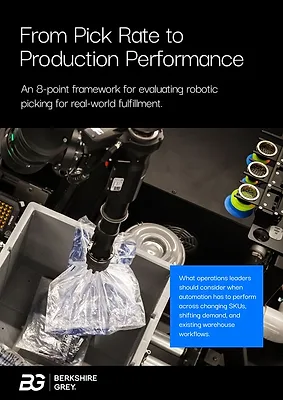
A robotic picking system can post an impressive pick rate and still leave your team handling too many exceptions. For fulfillment leaders, the real test is how much of your operation’s picking volume it can handle reliably. And whether that performance holds as products, packaging, and demand change.
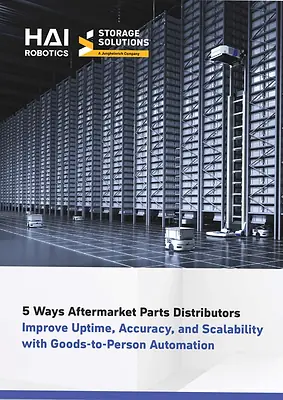
Aftermarket parts distributors face a unique set of fulfillment challenges. SKU counts continue to grow, demand can change without warning, and customers often need parts quickly to restore critical equipment. At the same time, distributors must maintain accuracy, control costs, and operate with limited labor.
Tim Taylor, senior director of platform product management at Tecsys, discusses how warehouse operators can balance the need for customized solutions with that of access to the latest and most secure applications.
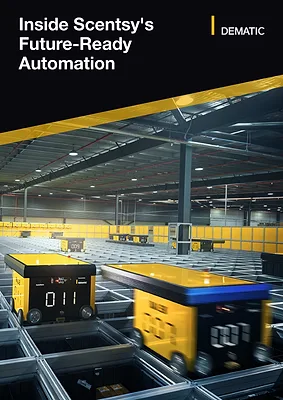
Scentsy is a global leader in fragrance products. As order volumes increased, SKUs expanded, and warehouse space became limited, manual operations could no longer keep pace. Scentsy partnered with Dematic to implement a future-ready solution combining AutoStore™ empowered by Dematic, intelligent software, and a pick-to-cart system to maximize storage capacity, optimize inventory flow, and accelerate e-commerce fulfillment.
While warehouse automation is a costly upfront investment, it drives long-term savings by reducing facility footprints, lowering energy consumption and minimizing packaging waste.