RSS
RSS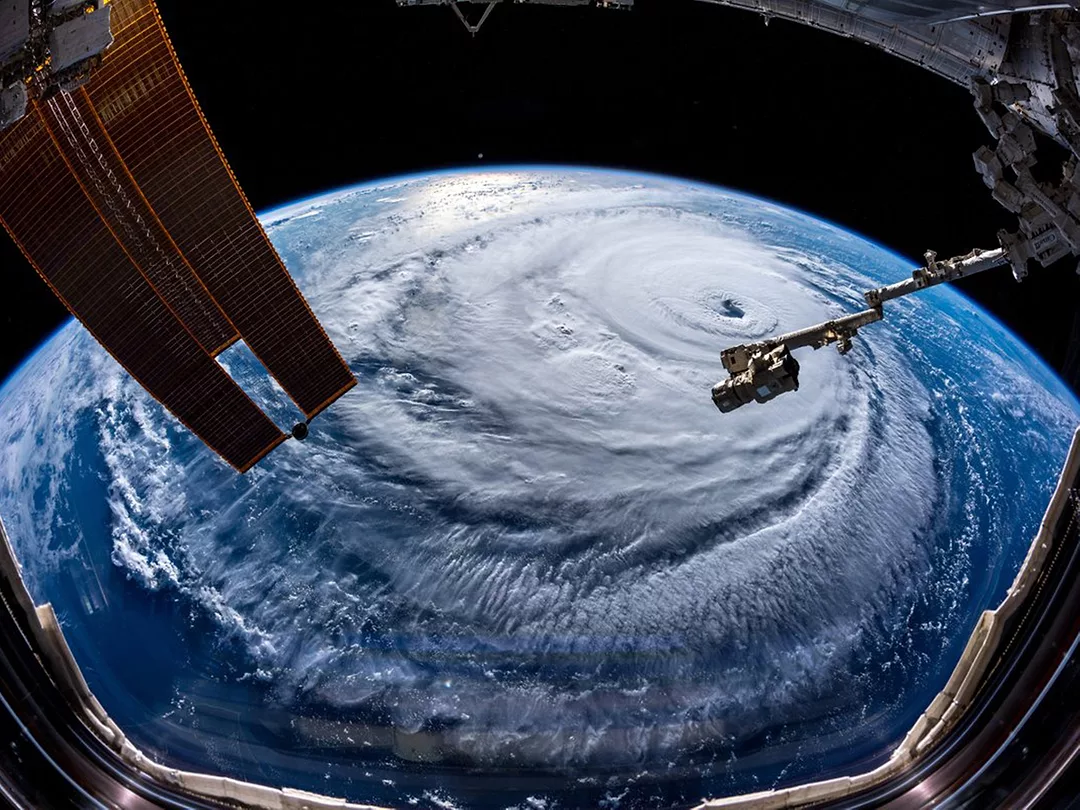

Force majeure clauses are intended to protect parties to a legal contract from losses caused by disruptive events beyond their control. But supply-chain partners might be surprised to learn what such language doesn’t cover.
Force majeure applies to a wide range of circumstances, from wars and political strife to natural disasters or so-called acts of God. But suppliers would be wrong in thinking it’s some magic out from anything that prevents them from meeting their obligations to the buyer.
Weather is a common disrupter that falls under the definition of force majeure in many contracts. Floods, hurricanes, fires and the like are often covered by it. What’s frequently missing from the equation, however, are the long-term impacts from climate change, says attorney Vanessa L. Miller, partner with Foley & Lardner LLP. Many contracts fail to address anomalies such as extreme heat waves, which can affect production well beyond the moment they occur. For example, does the supplier need to invest in refrigeration units to protect future shipments?
“Some of these contracts just talk about circumstances outside the parties’ control without specifics,” says Miller.
A force majeure clause can contemplate the possibility of a factory fire that would temporarily shut down the supply chain. But the signatories might not have given thought to how that event determines where production should be located in future. Portions of California, for example, are proving themselves to be highly susceptible to massive fires, thanks in part to global warming. Should the buyer respond by shifting its sourcing from those areas altogether? More immediately, should the manufacturer be required to pay for new sprinkler systems in the plant?
Miller says force majeure should not be treated as cut-and-paste language that can be dropped into any contract. The parties need to think about the duration of the agreement, who is being contracted for the work, and where production is to be sited. As manufacturers relocate plants from China to other parts of East Asia, they should be taking special care to study risks associated with their target countries.
At a time when risk management is at the top of supply-chain managers’ agendas, the failure to consider the full implications of force majeure clause might come as a surprise. Many hope it will serve as a catchall term for anything that can go wrong. They discover otherwise when the buyer insists they shoulder responsibility for a loss they believed to be beyond their control. “When a circumstance that hasn’t be laid out [in the contract] happens,” says Miller, “there will be a fight about it.”
Clearly it’s impossible to foresee every imaginable disruption that can affect the flow of product. (How many contracts prior to 2010 anticipated the eruption of the Icelandic volcano Eyjafjallajökull in that year?) But suppliers and buyers can do a better job of including more specific language in their underlying agreements. Many such terms today are either tied to a specific transaction or blanket purchase order, incorporating conditions of the purchase by reference, Miller says.
Relatively recent occurrences of hurricanes, floods and tsunamis have caused companies to pay renewed attention to force majeure in their supplier contracts. Whether they desire to revisit the language, however, depends on which side of the negotiating table they’re on. “Typically [force majeure provisions] only help the supplier,” Miller says. “They allow it to stop performing under the contract without being found to be in breach.”
On the buyer side, the sole obligation being threatened by a disruption is its ability to pay. In the age of electronic funds transfers, there are few instances of force majeure that would prevent that from occurring.
As with any negotiation, it comes down to who holds the greater power. A small supplier will find it difficult to load up its contract with a large buyer with more excuses not to perform. “The buyer is not as concerned with making sure that every single foreseeable harm is spelled out,” says Miller.
So how can a smaller supplier protect itself from events over which it has no control? Miller says suppliers should nevertheless be vigilant about what’s specified in the contract. For example, when it comes to sourcing raw materials and components in Asian countries other than China, attention should be paid to such possibilities as terrorist attacks or government actions that hinder production.
Labor actions are often a point of contention. Most force majeure clauses mention strikes, but don’t specify the reasons for them. The supplier is typically responsible for maintaining its own workforce, and must give notice to the buyer when a collective bargaining agreement is up for renegotiation. A strike arising from that event doesn’t invoke force majeure because the outcome is assumed to be within the supplier’s control.
In one instance of labor disruption, suppliers were unable to claim force majeure during the West Coast longshore workers’ slowdown in 2015 because the court ruled they had the option of expediting goods by air.
The time for ensuring effective force majeure language is when the supplier is first engaged, Miller says. Buyers might be more open to that discussion if it’s tied to the price of the goods. Says Miller: ”That’s the time to create the whole package.”