 RSS
RSS
.webp?height=100&t=1783959879&width=150 "014_how_ai_is_transforming_the_transportation_back_office_v1-(540p).jpg")
In the era of Industry 4.0, technologies such as artificial intelligence and machine learning are gaining prominence.
AI — of which ChatGPT is just one example — has the capability to transform global supply chains by automating time-consuming operations. According to one study, AI adopters have realized a 35% reduction in inventory and a 65% increase in service levels. Machine learning, meanwhile, can be trained on pre-defined data models to perform complex yet boring and repetitive tasks. The result is reduced time and fewer human errors.
Data is the most valuable asset for modern supply chains, but employing it to enhance supply chain efficiency is a challenging task. Industry 4.0 technologies use data to achieve accurate demand forecasting, more efficient inventory management and better collaboration with suppliers.
The COVID-19 pandemic and related events exposed the inability of traditional supply chains and legacy systems to tackle disruption. They forced supply chain leaders to think beyond traditional solutions, resulting in the widespread adoption of AI, machine learning and the internet of things (IoT) to build intelligent supply chains.
Today’s supply chain leaders have embraced more than a dozen applications of these technologies. By 2025, 38% are projected to adopt AI and machine learning in supply chain and manufacturing. Following are some ways that machine learning can transform supply chains through automation.
Back-office automation. For tasks such as document processing, intelligent automation blends conversational AI with robotic process automation. Machine learning programs handle repetitive tasks, limiting the role of humans to monitoring or supervision.
Logistics automation. Companies such as Amazon.com, Tusimple and Nuro are investing heavily in transport automation technologies like self-driving trucks, as well as IoT and blockchain.
Warehouse automation. Automated warehouse management drives productivity, efficiency and safety through the use of machine learning. Ocado, for one, is a significant player in the warehouse automation market.
Automated quality management. Computer vision systems can improve accuracy and productivity in production lines as well as for finished products.
Automated inventory management. The automation of repetitive tasks such as real-time scanning is possible with bots equipped with computer vision, AI and machine learning. Inventory-scanning bots can be used in retail stores, but feasibility and long-term benefits must be considered to avoid failure.
The utility of machine learning in supply chain management extends beyond the warehouse. From accurate demand forecasting to instant resolution of customer queries, it has a role to play in every aspect of supply chain management. 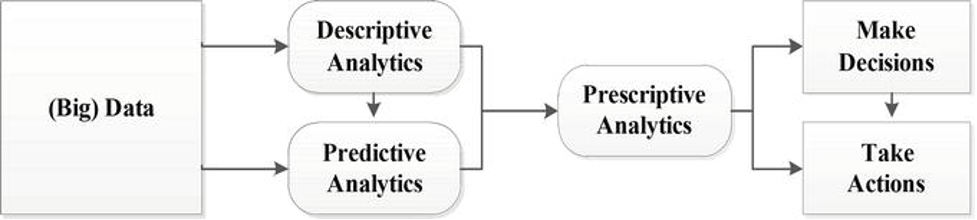
Image source: https://www.intechopen.com/chapters/69320
Following are the top trends in AI and machine learning to watch out for:
Predictive analytics. It can help supply chain managers forecast demand, optimize inventory levels and reduce costs. Related tools can analyze large amounts of data, such as historical sales, weather and social media trends, to generate accurate demand forecasts and supply chain recommendations.
Autonomous vehicles. Drones and self-driving trucks promise to revolutionize the supply chain industry by increasing efficiency and reducing costs. They optimize delivery routes, improve safety and provide real-time shipment tracking and monitoring.
Robotics. Applications include supply chain processes such as picking, packing and sorting. Robots equipped with machine learning can learn from human operators and optimize their movements to increase efficiency and reduce errors. They can perform tasks autonomously, with minimal human intervention.
Blockchain technology. It can be used to improve supply chain transparency, traceability and security. Data stored on a blockchain can enable users to detect and prevent fraud, track products, and ensure compliance with regulations.
Internet of things. Devices such as sensors and RFID tags can help monitor and track products and shipments in real time. AI-powered IoT tools can analyze this data to detect and predict potential issues, such as delays or quality problems.
Digital twin. This is a virtual replica of physical objects and systems. It can simulate scenarios such as demand fluctuation or supply disruption, to provide insights and recommendations for supply chain managers.
Businesses use machine learning make their supply chains more intelligent and interconnected. These traits pave the way for an agile supply chain that processes and utilizes data to make informed decisions and tackle disruptions.
Industry 4.0 technologies like machine learning and IoT are increasingly forming the core of global supply chains. The pace of adoption is only going to increase in the long run.
Dan Weinberger is UN Supply Chain Expert and chief executive officer of Morpheus.Network.

.webp?height=100&t=1784121195&width=150 "018_what's_holding_back_ai_initiatives-_v1-(540p).png")

.webp?height=100&t=1784133616&width=150 "SCB 595 _841 Service department 2026 (4).png")


