
• Advertise
  • Contact Us
  • Supplier Directory
  • SCB YouTube
  • About Us
  • Login
  • Subscribe
  • Logout
  • My Profile
  • LOGISTICS
    • Air Cargo
    • All Logistics
    • Facility Location Planning
    • Freight Forwarding/Customs Brokerage
    • Global Gateways
    • Global Logistics
    • Last Mile Delivery
    • Logistics Outsourcing
    • LTL/Truckload Services
    • Ocean Transportation
    • Parcel & Express
    • Rail & Intermodal
    • Reverse Logistics
    • Service Parts Management
    • Transportation & Distribution
  • TECHNOLOGY
    • All Technology
    • Artificial Intelligence
    • Cloud & On-Demand Systems
    • Data Management (Big Data/IoT/Blockchain)
    • ERP & Enterprise Systems
    • Forecasting & Demand Planning
    • Global Trade Management
    • Inventory Planning/ Optimization
    • Product Lifecycle Management
    • Robotics
    • Sales & Operations Planning
    • SC Finance & Revenue Management
    • SC Planning & Optimization
    • Supply Chain Visibility
    • Transportation Management
  • GENERAL SCM
    • Business Strategy Alignment
    • Customer Relationship Management
    • Education & Professional Development
    • Global Supply Chain Management
    • Global Trade & Economics
    • Green Energy
    • HR & Labor Management
    • Quality & Metrics
    • Regulation & Compliance
    • Sourcing/Procurement/SRM
    • SC Security & Risk Mgmt
    • Supply Chains in Crisis
    • Sustainability & Corporate Social Responsibility
  • WAREHOUSING
    • All Warehouse Services
    • Conveyors & Sortation
    • Lift Trucks & AGVs
    • Order Management & Fulfillment
    • Packaging
    • RFID, Barcode, Mobility & Voice
    • Warehouse Automation
    • Warehouse Management Systems
  • INDUSTRIES
    • Aerospace & Defense
    • Apparel
    • Automotive
    • Chemicals & Energy
    • Consumer Packaged Goods
    • E-Commerce/Omni-Channel
    • Food & Beverage
    • Healthcare
    • High-Tech/Electronics
    • Industrial Manufacturing
    • Pharmaceutical/Biotech
    • Retail
  • THINK TANK
  • WEBINARS
    • On-Demand Webinars
    • Upcoming Webinars
    • Webinar Library
  • PODCASTS
  • WHITEPAPERS
  • VIDEOS
Home » Blogs » Think Tank » The Future of Supply Chain Traceability for Apparel Brands

Think Tank
Think Tank RSS FeedRSS

The Future of Supply Chain Traceability for Apparel Brands

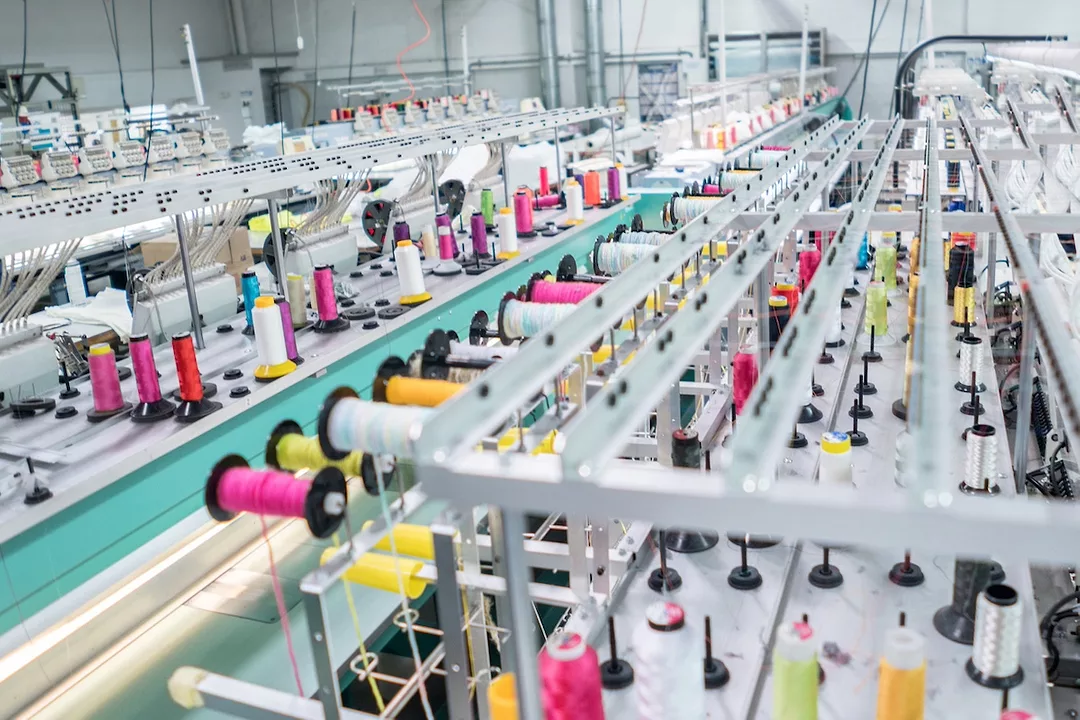
Spools of multi-colored threads arranged along a production line in a white room
Photo: iStock / andresr
October 1, 2025
Prakash Philip, SCB Contributor

Sustainability legislation across the world, and particularly in Europe, is changing rapidly.

Earlier this year, the European Commission published an "Omnibus" package that could lead to significant changes to key EU laws concerning sustainability reporting, diligence, supply chain requirements and trade. Apparel brands must recognize that supply chain traceability has become a strategic imperative. Brands that invest in strong traceability systems will be better equipped to navigate regulatory shifts, mitigate risks, remain competitive and build long-term resilience and trust with consumers and suppliers. 

The Omnibus package suggests substantial modifications to the Corporate Sustainability Due Diligence Directive (CSDDD) and Corporate Sustainability Reporting Directive (CSRD). Its goal is to reduce the administrative burden on businesses, especially small and medium-sized enterprises, by simplifying reporting requirements and clarifying specific regulations. For those in the apparel industry, where intricate global supply chains and increasing compliance costs are standard, a loosening of regulations and reduction of red tape is understandably appealing. 

These developments  sit alongside recent changes brought about by the Trump Administration, which might seem to indicate that environmental, social and governance (ESG) legislation is going to continue to decline. But this is likely just wishful thinking. The CSDDD, even in its revised form, underscores the EU’s commitment to embedding sustainability into corporate governance. It requires companies to identify, prevent and mitigate adverse impacts on their operations and supply chains. Similarly, the CSRD expands the scope and depth of sustainability reporting, demanding greater transparency and accountability.

These regulations are not isolated. They’re part of a global trend toward mandatory due diligence and disclosure. Countries such as Germany and France have already enacted compulsory human rights legislation, including the EU’s Forced Labour Ban and the Ecodesign for Sustainable Products Regulation (ESPR), which continue to require rigorous supply chain transparency. 

Meanwhile, consumer and investor expectations around sustainability, ethics and accountability remain high, and are increasingly influencing market dynamics. Take fashion, one of the most polluting industries, responsible for 8% to 10% of global emissions. According to a survey by McKinsey, 67% of consumers consider the use of sustainable materials an essential factor when purchasing. 

Companies that prioritize transparency and traceability throughout their supply chains can be more agile, better adapt to change and identify bad practices — all of which helps build trust among customers and stakeholders. This is especially true in the apparel sector, where supply chains often span multiple countries and involve numerous parties. Traceability helps brands ensure that materials such as cotton do not originate from regions linked to forced or child labor, that water consumption and toxic pesticide use remain minimal, and that workers are treated fairly and paid a decent living wage.

While this has traditionally been a tough ask due to the complexity of global supply chains there are an increasing number of tools that can help. New platforms help brands track raw materials and products through identifiers such as holograms on cotton bales, and QR codes for farmers. The technology can also capture the application of unique DNA-based markers. 

Traceability also provides strategic advantages. It improves operational efficiency, promotes ethical sourcing and enhances brand reputation. The most effective strategy is to collaborate directly with farmers, ginners and suppliers in key cotton-producing regions such as India, Pakistan, Bangladesh, Turkey and Egypt. Such relationships enable the tracing of garments from Tier 1 suppliers all the way back to the farm.  

Regulatory changes may offer temporary relief, but the direction of travel is clear: greater transparency, accountability and sustainability. Brands that wait for mandates risk falling behind. Traceability isn’t just about compliance; it’s about building resilient, ethical and future-ready supply chains. Genuine supply chain transparency is possible. It’s how the fashion sector can be transformed to inspire more sustainable and transparent practices across the board. 

Prakash Philip is global director of strategy and impact at CottonConnect.

Supply Chain Visibility Quality & Metrics Regulation & Compliance Sourcing/Procurement/SRM Supply Chain Security & Risk Mgmt Sustainability & Corporate Social Responsibility Apparel

RELATED CONTENT

RELATED VIDEOS

Subscribe to our Daily Newsletter!

Timely, incisive articles delivered directly to your inbox.

Featured Product

Popular Stories

  • Businessman using AI agent system on laptop computer.

    AI in Supply Chain Can’t Succeed Without Foundational Systems

    Artificial Intelligence
  • A LARGE CYLINDRICAL OBJECT SHRINK-WRAPPED IN WHITE PLASTIC IS LOWERED BY CRANE ONTO A FLAT BED TRUCK ON A DOCK

    AI Boom Has European Buyers Paying Extra to Secure Gas Turbines

    Technology
  • DOMINO EFFECT FINANCIAL MONEY KNOCK-ON CONSEQUENCES iStock-Devrimb-1500012566.jpg

    Podcast | The Tariff Conundrum for Supply Chains: Pass Along, or Absorb?

    Supply Chain Finance & Revenue Management
  • 016_ai_and_data_transformation_in_distribution_v1-(540p).png

    Watch: AI and Data Transformation in Distribution

    Artificial Intelligence
  • TWO WORKERS DISCUSS DATA SHOWN ON COMPUTER SCREENS

    Gartner: Gap in SC AI Talent Cannot Be Closed by Hiring Alone

    Artificial Intelligence

Digital Edition

2026 esg cover main scb q2 2026 cover

SupplyChainBrain 2026 ESG Guide: ESG — The Supply Chain’s Biggest Secret

VIEW THE LATEST ISSUE

Case Studies

  • Recycled Tagging Fasteners: Small Changes Make a Big Impact

  • A GRAPHIC SHOWING MULTIPLE FORMS OF SHIPPING, WITH A HUMAN STANDING AT THE CENTER, TOUCHING A SYMBOLIC MAP OF THE WORLD

    Enhancing High-Value Electronics Shipment Security with Tive's Real-Time Tracking

  • A GRAPHIC OF INTERLACING HONEYCOMBED ELEMENTS REPRESENTING GLOBAL BUSINESS TRANSACTIONS

    Moving Robots Site-to-Site

  • JLL Finds Perfect Warehouse Location, Leading to $15M Grant for Startup

  • Robots Speed Fulfillment to Help Apparel Company Scale for Growth

Visit Our Sponsors

4flow Arkieva Blue Yonder
Carton Cloud CoEnterprise Dassault
Duravant E2Open General Logistics Systems
Hy-Tek iGPS Korber
Lyngsoe Procurability Quinyx
SAP Sikick Systech
S&P Global Mobility TADA TransImpact
US Bank Werner Enterprises WSI
  • More From SCB
    • Featured Content
    • Video Library
    • Think Tank Blog
    • SupplyChainBrain Podcast
    • Whitepapers
    • On-Demand Webinars
    • Upcoming Webinars
  • Digital Offerings
    • Digital Issue
    • Subscribe
    • Manage Email Preferences
    • Newsletters
  • Resources
    • Events Calendar
    • 2026 Event Coverage
    • SCB's Great Supply Chain Partners
    • Supplier Directory
    • Case Study Showcase
    • Supply Chain Innovation Awards
    • 100 Great Partners Form
  • SCB Corporate
    • Advertise on SCB.COM
    • About Us
    • Privacy Policy
    • Contact Us
    • Data Sharing Opt-Out

All content copyright ©2026 Keller International Publishing Corp All rights reserved. No reproduction, transmission or display is permitted without the written permissions of Keller International Publishing Corp

Design, CMS, Hosting & Web Development :: ePublishing