RSS
RSS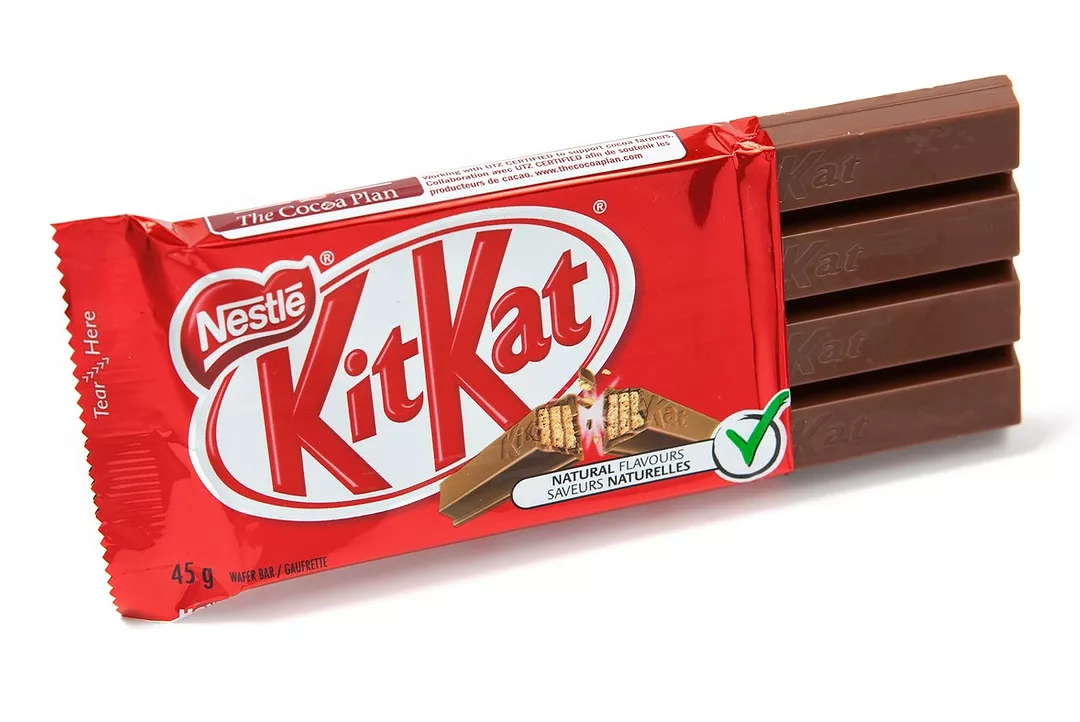
.webp?height=100&t=1784835632&width=150 "LSG26_LTAgentEdgeImage_DB-1313-1 (1).png")
Nestlé’s campaign to track a stolen KitKat shows how far product tracking has come. A single candy bar can now be identified, followed, and even turned into a real-time interaction. What’s harder is doing that consistently across an entire supply chain.
The majority of manufacturers today assign a digital identity to a product, and have well-established processes to generate a code, attach data, and make it scannable at different points in the journey. But this best practice tends to break down once the product moves beyond a single system or site. As soon as multiple suppliers, plants and partners are involved, the idea of a single, consistent product identity becomes more difficult to maintain.
In practice, product data is still fragmented. Requirements are defined in one system, interpreted in another, and often recreated manually by partners downstream, re-keying the same product and compliance data over and over. A packaging update in one region may not be reflected in another. A compliance change can take weeks or months to propagate across suppliers. Even when the right data exists, it doesn’t always move with the product in a consistent or controlled way.
The industry has made real progress on visibility. Teams can see where products are, when shipments are delayed, and how inventory is moving. But visibility alone doesn’t ensure that every partner is working from the same product data, or executing against the same requirements. What looks like a tracking problem on the surface is often a coordination problem underneath.
This results in costly, all too familiar, issues. Delays caused by mismatched specifications. Rework when labels or packaging don’t align with local requirements. Compliance risk when product information is incomplete or inconsistent. These are not edge cases. They are the day-to-day friction points that slow down operations and create unnecessary cost.
What becomes clear is that tracking a product is not the same as controlling how it is represented, handled and verified across the supply chain.
That distinction matters more as supply chains become more distributed. We’re more interconnected than ever, but most businesses are still acting like islands. A single product might pass through multiple contract manufacturers, packaging providers and logistics partners, yet each site operates in its own system.
Today, alignment is often maintained through a combination of email, manual processes, local systems and workarounds. The result is built-in waste at every handoff: redundant set-up, duplicate records, templates recreated across sites. Even small changes can introduce variation, and that variation compounds as products move through the network.
This is why the conversation around connected packaging, while important, is incomplete on its own. Adding a QR code or a dynamic data carrier to a product can enable new levels of interaction and visibility. It can support traceability, consumer engagement, and post-sale updates. But it doesn’t solve the underlying issue of how product identity is defined, managed and executed from one trading partner to the next.
In a connected model, product identity is not recreated at each step. It is defined once, and shared across the network in a controlled way. When a requirement changes, that change is reflected consistently across suppliers, plants and partners. Every participant is working from the same current version of the data, rather than maintaining their own interpretation.
This changes how work gets done. Instead of pushing instructions out and relying on each partner to interpret them, requirements can be synchronized across the network. Even the most experienced teams typically react to errors when they show up as inventory inconsistency or shipment delays. However, a synchronized way of working allows teams to react before errors become expensive mistakes, and reduce inconsistencies from happening altogether. Instead of managing exceptions after the fact, teams can operate with a higher degree of confidence that execution will be consistent.
It also changes how organizations think about control. Control is no longer tied to a single system or location. It comes from the ability to coordinate data and execution across the entire network, with shared visibility and oversight ensuring every partner is aligned, and operating from the same source of truth.
This is particularly important in environments where regulatory requirements are evolving quickly. Compliance is no longer a once-a-year exercise. The current global market requires continuous alignment of product data across regions and partners. Without a shared foundation for product identification, that alignment becomes difficult to maintain at scale.
The same applies to speed. Time-to-market is increasingly influenced by how quickly product changes can be implemented across the network. When updates require manual coordination across multiple systems and partners, timelines stretch. When data is synchronized and accessible, those timelines compress.
The KitKat example makes the technology visible. It shows that it is possible to assign identity to a single product and interact with it in real time. The broader challenge is making that level of consistency work across millions of products, thousands of partners, and constantly changing requirements.
The next phase of supply chain management will not be defined by how well companies can track individual items. It will be defined by how effectively they can ensure that product identity remains accurate, aligned and executable across their network. Tracking a product is no longer the hard part. Keeping it consistent everywhere it goes is.
Michelle Northey is the Chief Product Officer at Loftware.
.webp?height=100&t=1784574541&width=150 "025_supply_chain_changes_that_aren't_getting_enough_attention_v1-(540p).png")