RSS
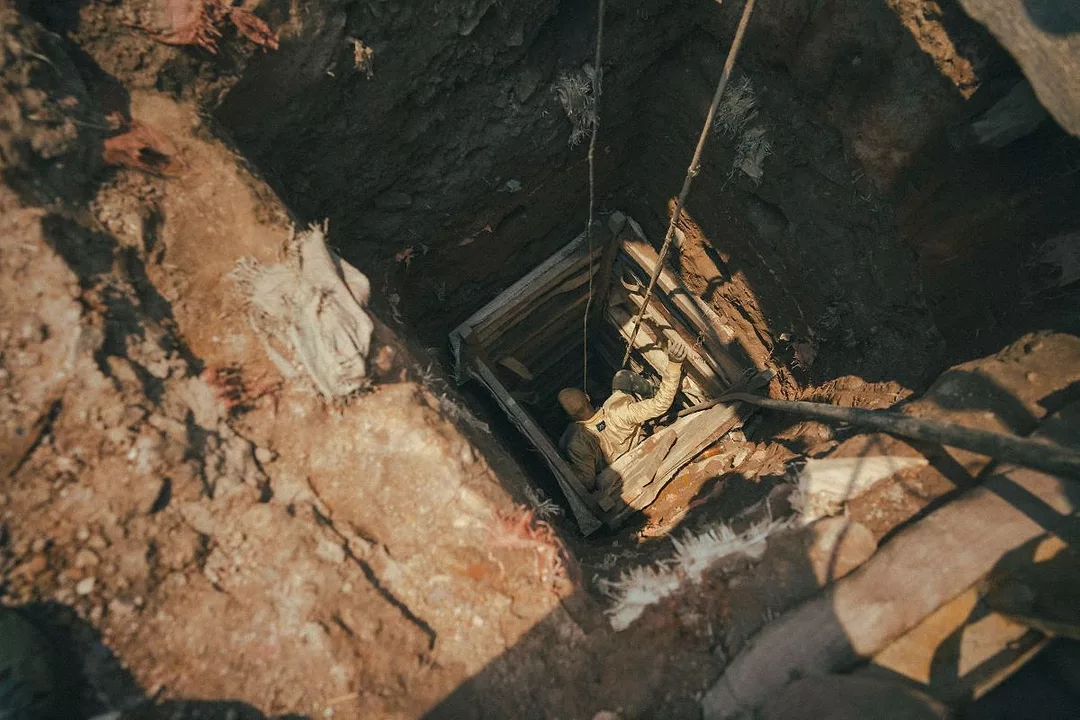

Supply chain visibility has become central to responsible sourcing in the automotive sector. Automakers are increasingly investing in traceability systems, strengthening supplier codes of conduct, and expanding due diligence processes in response to growing scrutiny from regulators, investors and consumers.
While the electric vehicle transition provides an alternative to fossil fuel dependence, it also increases demand for “transition minerals” sourced through complex global supply chains. The mining, processing and infrastructure needed to support EV technologies can have significant environmental and social impacts, including long-term effects on indigenous peoples’ lands, territories, resource, and rights. Yet how companies identify, assess and address impacts on indigenous peoples remains an area of risk that is inconsistently understood and managed across the industry.
With more than 50% of energy transition minerals located on or near indigenous peoples’ lands, their risk exposure f is already evident across key regions. At Thacker Pass in Nevada, a Lithium Americas’ project has faced opposition from Paiute and Shoshone Peoples over concerns about inadequate consultation and impacts to sacred and culturally significant lands. In Chile’s Atacama region, lithium extraction by companies including SQM and Albemarle has raised concerns among Lickanantay and Atacameno communities about water use, fragile salt-flat ecosystems, consultation and benefit sharing. In Indonesia’s Halmahera region, nickel mining linked to the Weda Bay Nickel project and the Indonesia Weda Bay Industrial Park has been criticized for impacts on the Hongana Manyawa people, including deforestation and risks to indigenous peoples in voluntary isolation.
Conflicts such as these show how companies with weak processes for consultation and consent evaluation fail to identify project risks until they become material. These risks are not abstract: the Lead the Charge investor briefing notes that a major mining project can face roughly $20 million in costs for every week production is delayed. Litigation over failure to obtain the free, prior and informed consent of indigenous communities stalled Mexico’s Mareña Renovables project for more than six years, affecting downstream buyers with purchasing agreements. Such failures can contribute to project delays, legal challenges, reputational pressure and uncertainty around permitting, financing, timelines, project viability and long-term supply chain stability.
Strengthening indigenous peoples’ rights due diligence is increasingly part of building resilient supply chains. It can help reduce legal, operational and reputational risks while supporting more responsible sourcing practices. Automakers have made some encouraging steps in this direction, though progress tends to be reactive rather than systemic, and there remains significant gaps between policy language and sourcing decisions.
Many automakers have built on the progress of other sectors to include indigenous peoples’ rights in policies and supplier contracts, and some integrate these considerations into existing human rights due diligence systems. According to the 2026 Lead the Charge Leaderboard, 12 of 18 automakers surveyed have taken initial steps on indigenous peoples’ rights, with Ford, Mercedes-Benz, Tesla, Volkswagen and Renault ranking highest on this indicator.
This demonstrates improvement from even three years ago, when indigenous peoples’ rights were largely absent from industry frameworks. Yet progress remains uneven and slow compared to rising market demands. Companies on average now score just 9% out of a total of 100% on indigenous peoples’ rights overall, according to the Leaderboard, the lowest performing indicator among the industry’s clean car promise, with some companies consistently scoring zero.
At the center of the gap between company commitments and sourcing practices is free, prior and informed consent (FPIC), a United Nations-backed indigenous peoples’ right to decide whether and how projects that affect their lands, territories and resources in project design and implementation.
FPIC expresses indigenous peoples’ self-determination and reflects their priorities for land use, environmental impacts, community health and safety, and benefit sharing. Thus, sourcing can only be considered “responsible” when FPIC is achieved in a rights-based manner and verified as such.
The growing number of mining and processing projects moving forward amid consent disputes raises critical questions for downstream automakers about how FPIC is defined and verified in practice. Project developers may treat FPIC as a consultation process or procedural checkpoint rather than as a decision-making right that shapes whether and how projects proceed. For automakers sourcing from these projects, this creates uncertainty about how to assess whether consent has been obtained, what evidence to rely on, and what steps to take when consent is disputed or absent.
Some existing frameworks can help address FPIC gaps. Supplier standards increasingly reference international human rights expectations, and traceability tools make it easier for companies to identify risks beyond Tier 1 suppliers. However, more work must be done to develop tools that can distinguish consultation from FPIC, recognize indigenous peoples’ own representative institutions and decision-making processes, and respond more clearly to all facets of FPIC compliance in EV manufacturing.
Indigenous peoples’ advocacy and growing scrutiny of mineral supply chains are moving their rights closer to the center of responsible sourcing debates. As the industry expands, cleaner cars will be judged not only by tailpipe emissions, battery efficiency or carbon intensity, but also by whether their supply chains are resilient and respect the rights of the indigenous peoples affected by mineral extraction and processing.
Nalori Chakma is transition minerals advocacy manager at Tallgrass Institute. She belongs to the Chakma tribe from Northeast India. Bryan Bixcul is global coordinator for the SIRGE Coalition secretariat. Bryan is a Maya-Tz’utujil from Tz’unun Ya’ in Guatemala.