
SCB FEATURE
An Urgent Call to Revive the U.S. Pharmaceuticals Supply Chain
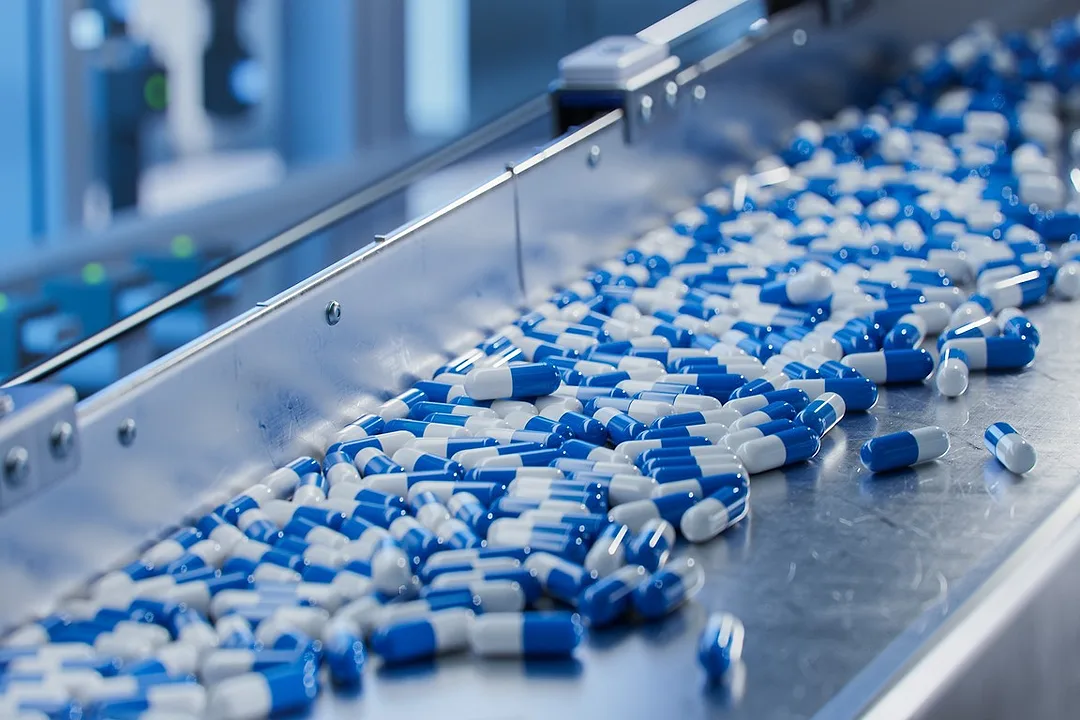
Photo: iStock / SweetBunFactory
Congress is finally acting to address the severe shortage of critical pharmaceutical drugs, a crisis long in the making that was laid bare by the COVID-19 pandemic.
In May, the House Subcommittee on Oversight and Investigations took testimony from industry experts about the root causes of drug shortages in the U.S. Calling the situation “disastrous,” the panel vowed to uncover structural vulnerabilities in pharmaceutical supply chains.
Among those testifying was Anthony Sardella, chair of the API Innovation Center and senior research adviser for the Center for Analytics and Business Insights at the Washington University in St. Louis. He cited recent research from the center which found that 30% of U.S. generic pharmaceutical manufacturing sites are operating at less than 50% utilization — at a time of crying need for the products they make. In fact, just two of the 37 sites surveyed were producing at full capacity.
The pharmaceutical industry coalition Securing America’s Medicines and Supply (SAMS) identifies 301 drugs that are currently in shortage. The group was formed in June, 2021 by Coherus Biosciences, which recruited other pharma companies “to take advantage of the new push to recreate a more resilient medical supply chain in America,” says executive director David Sanders.
He says the effort is similar to the aftermath of the 2008 contamination of Chinese-made heparin, an injectable drug used to treat heart attacks and angina. The incident and subsequent recall led to a tightening up of inspections of imported drugs by the U.S. Food and Drug Administration.
The coming of COVID-19 in 2020 and 2021 created an even worse health crisis, with millions of lives threatened by a severe shortage of masks, gloves, syringes and medications. Sanders says the pandemic has led to a “permanent reform discussion” about the U.S. medical supply chain and its ability to respond quickly in a health emergency.
During the pandemic, the National Institutes of Health was forced to halt, or experienced negative impacts to, 170 cancer clinical trials, Sanders says. Almost all of the drugs involved were made in India, but lockdowns prevented FDA staff from traveling to that country to monitor production quality.
Now, with the creation of SAMS and renewed awareness by legislators of the need for reform, Sanders senses “wind in the sails.” More than half a dozen pieces of legislation have been introduced to fuel pilot programs that would allow Medicare to cover the higher cost of American-made products. And back in 2021, pharmaceuticals was among the industries targeted in an executive order by President Biden, requiring a review of critical supply chains with the goal of increasing domestic manufacturing sources.
The topic has given rise to one of the few “truly bipartisan” issues before Congress, says Tony Paquin, co-founder, president and chief executive officer of medical products distributor iRemedy Healthcare Inc. “There are nuances to how you might implement various things,” he says, “but this definitely appeals to everybody across the political spectrum.”
The pandemic revealed “the shocking fact that in many cases, virtually all medical supply chains had gone overseas, to countries you would not consider friendly [to the U.S.],” Paquin says. “This is a way bigger problem than anybody understood.”
Up until 20 or so years ago, “we dominated the API [active pharmaceutical ingredients] world in the U.S.,” Paquin adds. “But like everything else in globalization, that moved — first to China, then India started making major plans.”
Sanders says the issue has to be addressed at all levels of cost and product type. One step, he adds, is to follow the laws on domestic procurement that are already on the books. Critics say the Defense Department and Veterans Administration have been too ready to seek exceptions to the Berry Amendment, a law that requires DOD to give preference to American-made products such as food, clothing, metals and medicines. Waivers are granted when such items aren’t available domestically, but given the recent findings that American pharmaceutical manufacturing capacity is underutilized, that claim becomes highly questionable. “There have been way too many waivers given,” Sanders says. “We need to operationalize government procurement.”
Second, he says, Medicare must be invoked to make up the differential between imported and domestic drug prices. And third, grants should be made available for boosting domestic pharma production. Together, those actions constitute a “blueprint for success,” following the example set by Biden’s actions to reduce American manufacturers’ reliance on semiconductors from China.
Sanders says a temporary tariff on the importation of certain drugs should be considered, as part of a broader program to spur American manufacturers into action. He cites the case of Cisplatin, one of the most common chemotherapy drugs, being imported from an Chinese manufacturer due to supposed domestic shortages — “because the Administration isn’t on the phone with five manufacturers demanding that they start making it here.”
Even with incentives in place, the establishment of a domestic semiconductor production base is expected to take many years and billions of dollars. Would reform of the American pharmaceutical supply chain be similarly delayed?
Sanders doesn’t think so. “You can make a major difference in 12 months,” he says, “by issuing $5 billion in contracts to domestic [and politically friendly] producers of the top 30 drugs that are in shortage today.”
Paquin cites the “life and death impact” of an inadequate American pharmaceutical supply chain. And Sanders stresses that further action is essential. “Congress needs to hurry up and act this fall,” he says. “All the pieces are in place to overcome this problem right now.”
Popular Stories
.webp?height=100&t=1780416625&width=150 "018_how_3pls_can_get_started_with_ai_v1-(540p).png")



SupplyChainBrain 2026 ESG Guide: ESG — The Supply Chain’s Biggest Secret
VIEW THE LATEST ISSUECase Studies


Visit Our Sponsors |
|
|
| |
|
|
|
|
|
|
|
|
|
|
|
|
|
|
|
|
|
|
|
|
|
|
|
|
|
|
|
|