
Livestock Disease Forces Greek Farmers to Cull Sheep and Goat Herds
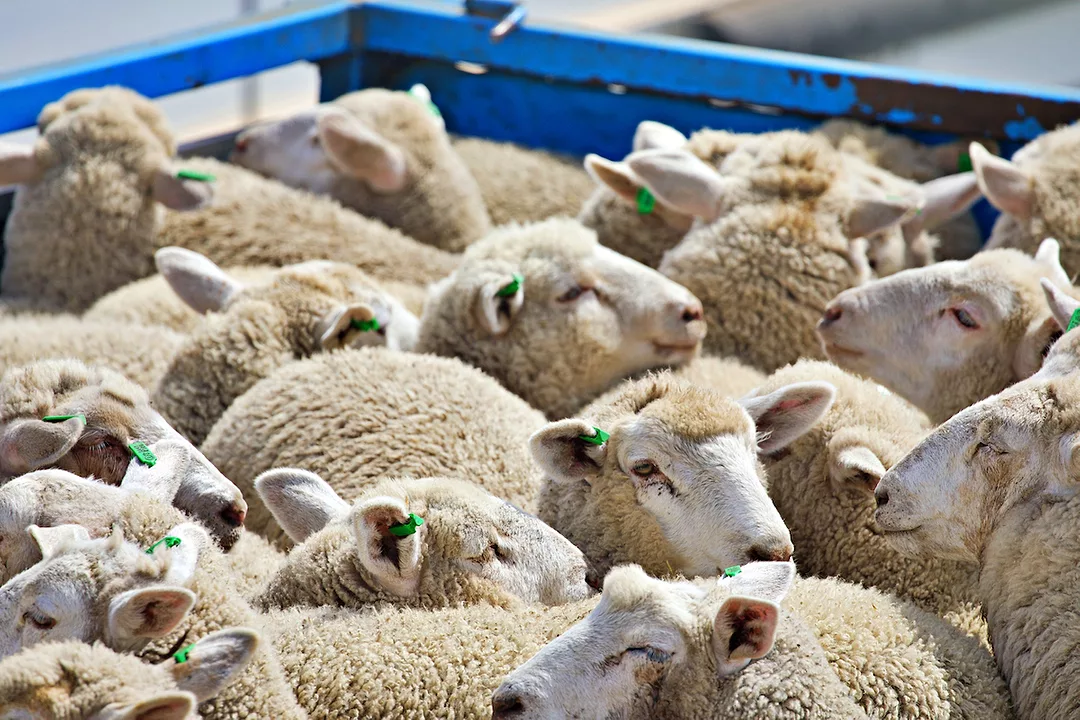
Photo: iStock / Peter Schaefer
An outbreak of sheep and goat pox has farmers in Greece culling hundreds of thousands of livestock, fueling concerns over a potential shortage of the country's feta cheese exports.
According to BBC News, Greece has seen more than 1,700 instances of sheep and goat pox between August 2024 and mid-November 2025, with Greek farmers having culled an estimated 417,00 sheep and goats since the outbreak began, totaling 2% of the country's livestock population. Although the diseases aren't usually fatal for humans, they can be highly contagious among animals, and even one case typically means that an entire herd must be disposed of.
Roughly 80% of sheep and goat milk in Greece is used to make feta cheese. The country exported €785 million ($909 million) of feta in 2024, with €520 million of that total exported to EU nations, and €90 million going to the United Kingdom. Although farmers impacted by the pox outbreak are being offered as much as €220 per sheep as compensation from the government, farmers have asserted that those payments fail to cover their losses.
The Greek government has faced other criticism for its handling of the outbreak, after failing to enforce lockdown zones when the first cases were discovered in 2024, and waiting more than a year to establish a national scientific committee to manage the crisis. Farmers have also been arrested for illegally transporting animals into disease-free areas, BBC News cites local reports of farmers failing to notify authorities of infected animals buried in fields.
Popular Stories
.webp?height=100&t=1781237049&width=150 "016_ai_and_data_transformation_in_distribution_v1-(540p).png")




SupplyChainBrain 2026 ESG Guide: ESG — The Supply Chain’s Biggest Secret
VIEW THE LATEST ISSUECase Studies


Visit Our Sponsors |
|
|
| |
|
|
|
|
|
|
|
|
|
|
|
|
|
|
|
|
|
|
|
|
|
|
|
|
|
|
|
|