
HR & LABOR MANAGEMENT
Adopting Gamification in Labor Management
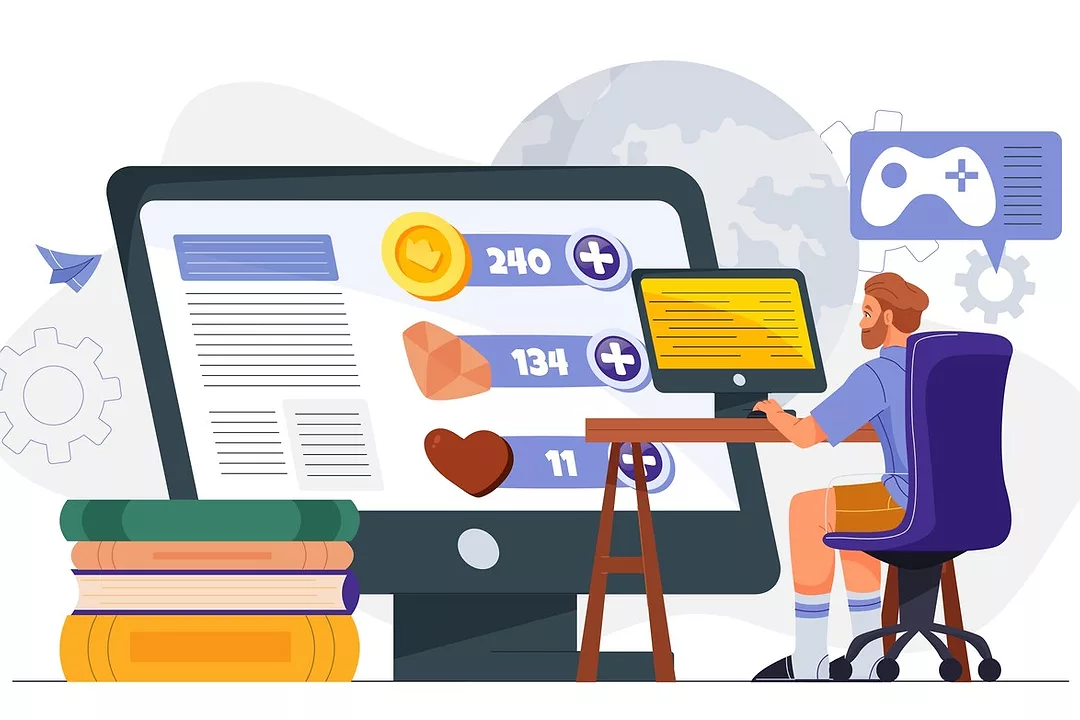
Image: iStock/Alexey Yaremenko
 Analyst Insight: Innovation comes in waves — voice technology, cloud computing, and now automation — all promising to reduce reliance on human labor. Yet people remain essential to warehouse operations and, as digitally native younger workers enter the field, gamification is transforming traditional labor management. It can convert punishment to play, rewarding achievements and fostering friendly competition. The result is higher productivity, improved accuracy, and a motivated workforce, addressing the pressing challenge of retaining great people.
Traditional labor management systems focused on penalties. Workers strived not to fail rather than to excel. Gamification flips this script. By turning tasks into games with points, leaderboards and rewards, companies make the process of hitting goals fun and motivating. Younger employees respond especially well, coming from a world where apps, wearables and platforms gamify everyday actions such as walking, commuting and fitness tracking. Gamification in the warehouse feels familiar, intuitive and engaging.
The benefits are substantial. Gamification enhances employee engagement and productivity while improving safety, and accelerating technology adoption. It provides managers with better performance data, and supports targeted training and skill development. Workers appreciate the recognition and competitive elements that make their workday more engaging.
Adoption is accelerating rapidly. Five years ago, gamification rarely appeared on warehouse management system requests for proposals. Today, it's nearly standard. While some companies appear to be waiting for AI and machine learning enhancements, current implementations are already delivering measurable gains. As a result, there's no need to delay.
Technically, gamification integrates with existing warehouse management or labor management systems. The ideal setup layers it atop a labor management platform, which acts as an equalizer, ensuring fair, consistent benchmarks where apples are apples, and oranges are oranges. However, gamification can also layer onto a WMS using historical run rates and performance data, making it accessible regardless of your current system architecture.
Industry results speak for themselves. Warehouses using gamification report faster throughput, higher accuracy, and more engaged teams. A survey of 750 U.S. and U.K. warehouse workers revealed that nearly 84% were more likely to stay with companies that developed workplace competitions around daily tasks. Workers embrace gamification's benefits and eagerly participate when it means earning company recognition or prizes.
Gamification addresses the human element of warehouse operations in ways that technology alone cannot. It transforms routine tasks into opportunities for achievement, turns individual workers into collaborative teams, and creates a culture where excellence is celebrated rather than failure punished. As labor shortages persist and competition for talent intensifies, gamification offers a proven solution that resonates with today's workforce while delivering measurable operational improvements.
Resource Link: https://made4net.com/
Outlook: Gamification will become standard in every WMS platform — embedded as a core feature rather than an add-on. As technology evolves, AI-powered analytics and personalized coaching will enhance these systems, making gamification essential for workforce engagement, operational efficiency and market agility. If your organization isn't implementing gamification, your employees are already thinking about it. The workforce expects engaging, technology-driven work experiences. Companies that embrace gamification now will lead in productivity, retention and competitive advantage.
Popular Stories





SupplyChainBrain 2026 ESG Guide: ESG — The Supply Chain’s Biggest Secret
VIEW THE LATEST ISSUECase Studies


Visit Our Sponsors |
|
|
|
|
|
|
|
|
|
|
|
|
|
|
|
|
|
|
|
|
|
|
| |
|
|
|
|
|
|
|
|
|
|
|
|
|
|
|