
Philippines Declares National Emergency Over Energy Shortage
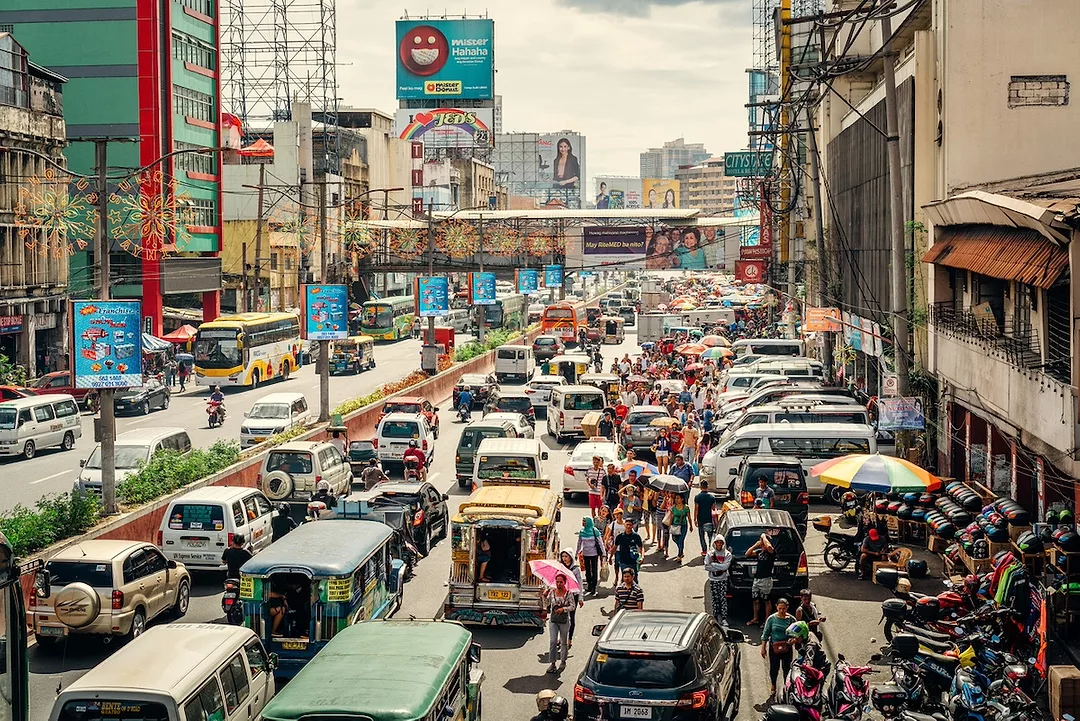
Photo: iStock / Nikada
The Philippines has declared a state of national energy emergency, as the war in Iran continues to impact supplies of oil across the globe.
The Associated Press reports that Philippines President Ferdinand Marcos Jr. declared the state of emergency on March 24, stating that the country was in "imminent danger of a critically low energy supply." The declaration is scheduled to run for at least a year, with Marcos leading a committee that will be in charge of managing the availability and flow of resources including fuel, food, medicine, agricultural products and more. The country is also taking action against hoarding, profiteering and manipulation of petroleum products via dilution or blending.
Roughly 98% of the Philippines' crude oil imports come from the Middle East, according to estimates from the Philippine Information Agency (PIA), while 97% of liquid petroleum products are imported from Asian refineries that are dependent on the Persian Gulf. In a March 25 interview with Bloomberg, Philippines Airlines president Richard Nuttal also warned that the company's current supply of fuel will likely run out by June, and that grounding planes due to fuel shortages is a "distinct possibility."
As long as traffic through the Strait of Hormuz is restricted, the Philippines could face cascading issues that go well beyond oil supplies.
"The closure or disruption of this narrow waterway thousands of miles away translates directly into higher oil prices, which may spark a chain reaction of pricier groceries and transport fare hikes," the PIA explained in a March 5 blog post.
As part of the country's state of energy emergency, the government has already started providing 5,000 pesos ($83) each to motorcycle taxi drivers and other public transport workers to help with rising gasoline and diesel prices. A handful of cities have been offering free bus rides to students and workers as well.
Popular Stories



.webp?height=100&t=1781496076&width=150 "015_bringing_the_loading_dock_up_to_speed_v1 (540p).png")

SupplyChainBrain 2026 ESG Guide: ESG — The Supply Chain’s Biggest Secret
VIEW THE LATEST ISSUECase Studies


Visit Our Sponsors |
|
|
| |
|
|
|
|
|
|
|
|
|
|
|
|
|
|
|
|
|
|
|
|
|
|
|
|
|
|
|
|