SCB FEATURE
Three Scenarios for the Middle East Crisis, and How to Prepare for Them
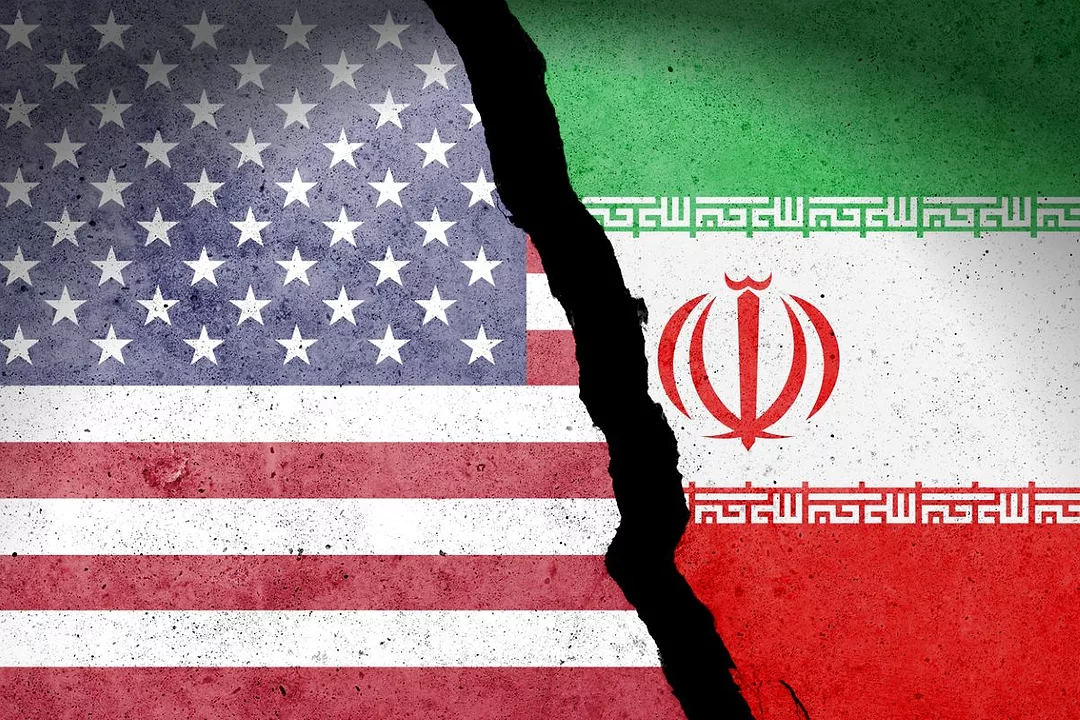
Image: iStock/Tomas Ragina
Prospects for resolution of war in the Middle East seem to change almost hourly. As of the middle of last week, a partial opening by Iran of the Strait of Hormuz to “non-hostile” vessels had observers speculating whether the crisis was reaching a turning point. Or not. The next statement or hostile action by President Trump, Iran’s leadership (whoever that might be) or Israeli Prime Minister Benjamin Netanyahu could set the region aflame once more. Against this backdrop of high uncertainty — including Trump’s purposeful maintenance of “strategic ambiguity,” what can global businesses and supply chains do? How can they possibly plan for the near future?
To begin with, assess the possibilities. Lara Tandy, head of Middle East/North Africa with the corporate intelligence and cybersecurity firm S-RM, has defined three possible conflict scenarios that could play out in the region in the coming days, weeks and months:
- Significant escalation. With the U.S.-Israeli campaign intensifying its objective of destroying Iran’s military capability, and Israel using the opportunity to pursue broader regional security objectives in Lebanon and elsewhere, this scenario appeared the most likely as of last week, Tandy said. Pressure on other Persian Gulf states to enter the war will increase, with elements such as the Houthis in Yemen, and Hezbollah in Lebanon, threatening to expand the conflict to the Red Sea and eastern Mediterranean.
- Protracted conflict, but contained regional instability. Tandy assigned a high degree of likelihood to this scenario as well. It envisions a longer-term campaign “marked by intermittent airstrikes, missile exchanges, and cyber operations.” The Iranian regime would remain intact, and critical and commercial infrastructure in the Gulf would continue to come under fire, with the further possibility of attacks on civilian infrastructure.
- Conflict de-escalation. Despite claims by both sides of a willingness to enter into negotiations for a cessation of hostilities, with Iran denying that any talks are occurring, Tandy saw a lower likelihood of this scenario materializing in the coming weeks. It would entail the U.S. claiming that it had achieved its objectives and ceasing direct involvement in attacks, while Israel would scale back and halt its own strikes, and a damaged Iran would be “unable to sustain the intensity of military operations.”
In the face of these three distinctly different outcomes, how can international businesses prepare? Asees Bajaj, associate of strategic intelligence with S-RM, says they need to be mapping the vulnerabilities and exposure at every stage of their supply chains. S-RM starts with listing all possible geopolitical developments that need to be tracked, “so we can understand whether we’re trending along a certain course,” she says. If, for example, Iran were to lay more mines in the Strait of Hormuz, “we would know an escalatory scenario is likely.”
For businesses, it's a good idea to come up with simulations to help them understand how they would hold up against any future event, Bajaj says. Given that companies have varying appetites for risk — some can withstand a month’s disruption without executing major changes, while others might immediately need to begin evacuating employees or switching to alternative suppliers — the conclusions reached will be quite different. Still, “running those simulations can help to understand what mitigation measures need to be in place.”
Because no global company exists in a vacuum, supply chain partners at every tier need to be brought into the exercise. Understanding the complete ecosystem of suppliers is essential to determining one’s ability to maintain an unbroken flow of goods and materials.
Any discussion today of “what-if” scenarios inevitably evokes artificial intelligence as a potential aid. In theory, AI is capable of processing far more data than humans can possibly handle, and could prove especially valuable in helping companies understand fast-moving situations, Bajaj says. But in coming up with those various scenarios, AI can fall short in accounting for the needs of specific companies and their unique supply chains.
Humans, then, must stay in the loop. But the supply chain function can’t go it alone. Bajaj says the evaluation must extend to multiple individuals and executive job descriptions within the organization. Increasingly, a chief risk or resilience officer will be involved — that job title having evolved from focusing exclusively on security, to accounting for strategic relationships such as free trade agreements.
“A collegiate approach is going to be integral going forward,” Bajaj says. “The supply chain team cannot be isolated or be the only one to make decisions.”
Looking beyond the current crisis in the Middle East, how can companies gird themselves for future geopolitical disruption? Again, Bajaj says, they need to acquire a broad understanding of their vulnerabilities around the world, with a particular emphasis on possible chokepoints. (Smart planners would be studying shipping alternatives to the busy Taiwan Strait, for example.)
In the end, it’s less about identifying and planning for the most likely disruption scenario than it is possessing the agility to respond to whatever occurs. Resilience must be built in at every point of the supply chain.
“Companies can no longer understate the importance of this,” Bajaj says. “We live in a world where we have finite resources and infinite needs for every company. Increasingly, it’s becoming so important to understand the geopolitical environment, uncertainties and global shocks that could impact organizations.”
Popular Stories



100 Great Supply Chain Partners 2026: The Secret to Supply Chain Success
VIEW THE LATEST ISSUECase Studies


Visit Our Sponsors |
|
|
|
|
|
|
|
|
|
|
|
|
|
|
|
|
|
|
|
|
|
|
|
|
|
|
|
|
|
|
|
|
|
|
|
|
|
|
|
|
|
|
|
|
|
|
|
|
|
|
|