
SCB FEATURE
Surge in Diesel Prices Tightens U.S. Trucking Capacity
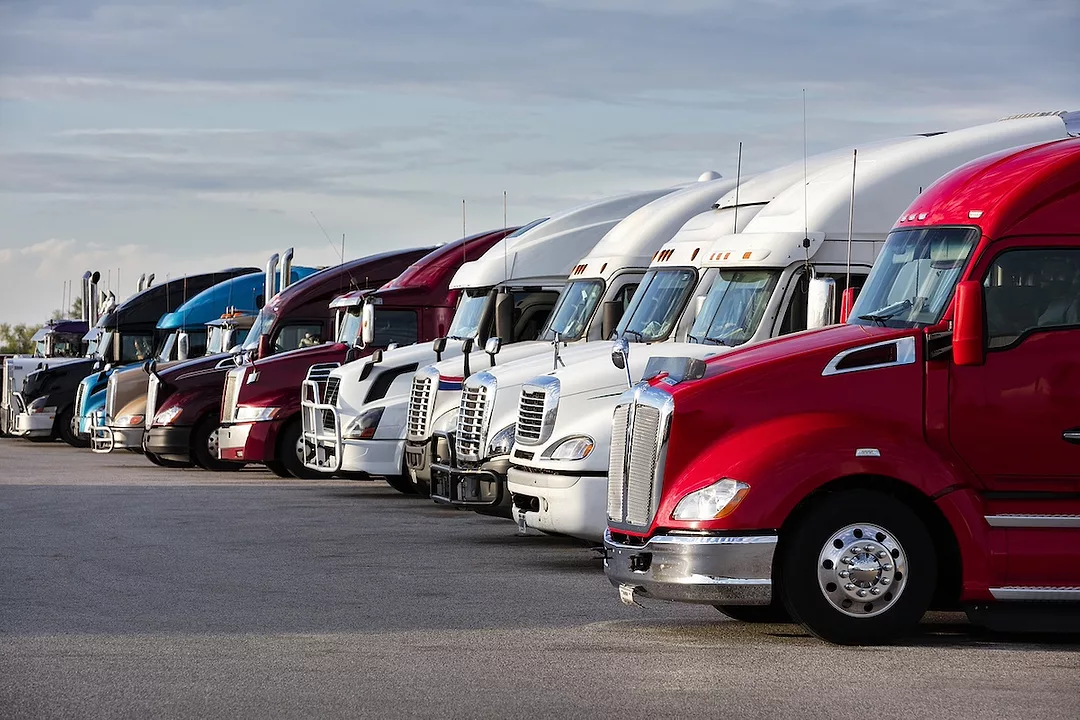
With few signs of abating, the war in Iran has continued to put pressure on the U.S. trucking sector, as diesel prices have soared and freight rates have risen in kind.
According to data from 3PL provider TA Services, spot load requests for trucking freight grew by 70% year-over-year in the first quarter of 2026, outpacing available truck capacity and indicating an unsettled freight rate market. As diesel prices have climbed by more than 20% month-to-month, rates negotiated on a contract basis are not longer adequate to keep up with rising fuel costs. Carriers have become pickier about what they're paid for longer, fuel-intensive routes, in particular. Overall, more loads are moving to the spot market, as shippers have had a harder time finding trucks, and are paying more for them.
"The market has already tightened significantly, and we see this as a structural shift rather than a short-term fluctuation," said TA Services VP of brokerage operations Jerad Dennis.
Read More: Hormuz Crisis Pushes Struggling Trucking Sector to the Brink
Crude oil price hikes obviously impact the cost of operating a truck, but there are currently other pressures on the cost of refining it into diesel, resulting in a higher price at the pump — the trucking industry's second largest expense. Urea is a key component in refining diesel to meet legally mandated air pollution reduction standards, and more than half of the world's supply originates from the Persian Gulf region.
Worse, the U.S. West Coast is facing further strain from the recent closures of two key Calfornia refineries — the Phillips 66 refinery in Los Angeles and Valero's facility near San Francisco — resulting in a combined 17.5% reduction of California's total refining capacity, further constraining fuel supplies, including diesel, across the region.
Read More: Higher Diesel Prices Likely to Persist, Even if Iran War Resolves Quickly
Although average diesel prices in the U.S. have come down slightly in the latter half of April, there are other, domestic factors lurking under the surface, TA warns. Strong demand from construction, manufacturing and energy has left fewer trucks available to move steel and other industrial goods, causing a rise in flatbed rates. Dry van and refrigerated freight rates are starting to follow the same pattern.
For fleet owners, the 45% rise in diesel prices since the outbreak of the Iran war is exacerbating the financial penalties of operating older vehicles. According to data from truck lessor Fleet Advantage's Truck Life Cycle Data Index (TLDI), elevated diesel prices have the potential to create a full-blown financial crisis for carriers that fail to upgrade their fleets to newer truck models.
Based on the TLDI's estimates, a fleet running 100 trucks from the 2022 model year will pay in excess of $1.2 million more per year in expenses than one running with 2028 equipment. Additionally, private fleets running 2022 model year sleeper trucks could save more than $10,800 per vehicle in fuel alone in the first year, following replacement with a 2028 model year truck. As fuel prices continue to rise, the cost gap between older, less efficient vehicles, and newer fuel-efficient alternatives will only continue to widen, Fleet Advantage said.
“The surge in diesel prices we’re witnessing today doesn’t create a new problem; it dramatically accelerates an existing one,” Fleet Advantage senior VP Brian Antonellis said. "Older model year trucks carry a compounding cost burden across fuel, maintenance and total cost of ownership."
Relief from rising fuel costs remains a distant prospect as well. Even if the Iran conflict were to end soon, diesel prices would likely remain elevated for months, given that supplies were tight even before the war began. That puts the U.S. trucking industry in a precarious position long term, with few guarantees for the future, and little room for carriers to plan ahead as costs continue to fluctuate.
Popular Stories





100 Great Supply Chain Partners 2026: The Secret to Supply Chain Success
VIEW THE LATEST ISSUECase Studies


Visit Our Sponsors |
|
|
|
|
|
|
|
|
|
|
|
|
|
|
|
|
|
|
|
|
|
|
|
|
|
|
|
|
|
|
|
|
|
|
|
|
|
|
|
|
|
|
|
|
|
|
|
|
|
|
|