
Record-High U.S. Fuel Exports Are Straining Domestic Stockpiles
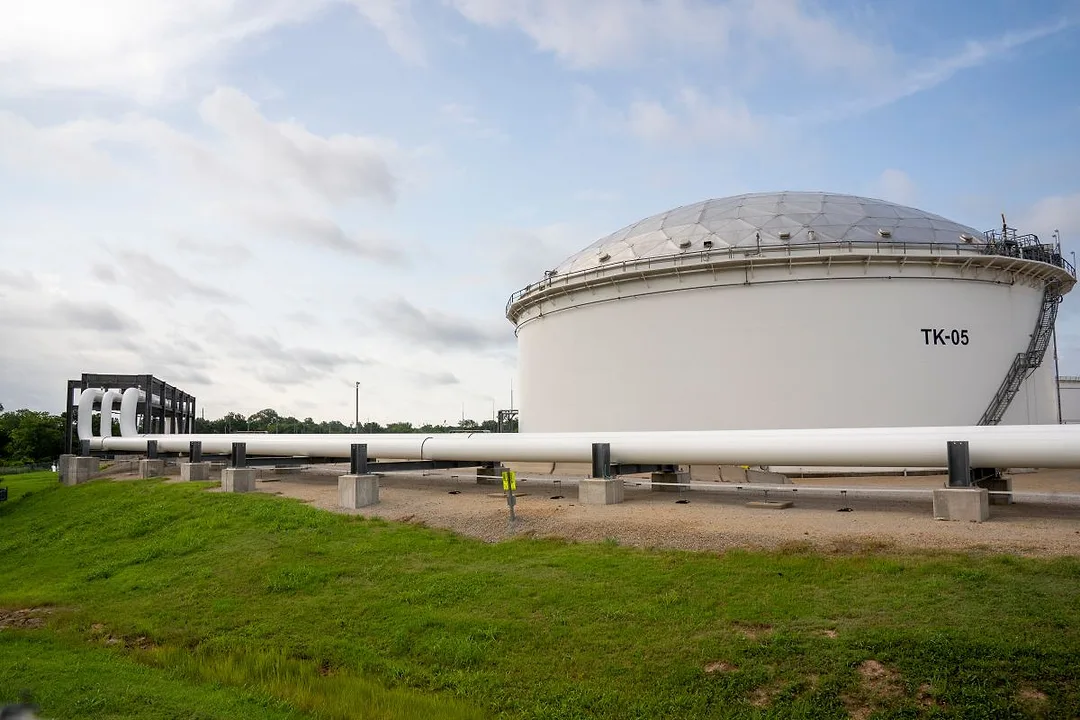
A pipeline runs toward oil Southbow storage tanks at the Cushing crude oil storage terminal in Cushing, Oklahoma. Photographer: Nick Oxford/Bloomberg
Unprecedented overseas demand for U.S. diesel, propane and other fuels is straining commercial reserves from the Gulf Coast to the Eastern Seaboard as the U.S.-Iran conflict intensifies again, pushing energy prices higher.
Propane exports led the record outflow reported by the Energy Information Administration on July 8, with diesel, gasoline and jet fuel cargoes also setting sail at a robust pace. The data encompassing shipments for the week ended July 3 was released shortly before Russia announced a ban on diesel exports to cope with domestic shortages.
Meanwhile, U.S. attacks on Iran resumed overnight, and President Donald Trump said more strikes are probable, sparking a rally across the oil complex. Diesel futures jumped as much as 14% in New York July 8, for the biggest intraday gain since the early days of the conflict.
Demand for U.S. fuel probably won’t abate any time soon, given the absence of shipments from Russia, the world’s No. 2 diesel exporter.
U.S. diesel exports were largely South America-bound, with Brazil the top recipient, according to analytics firm Kpler. But shipments to Europe, where prices also have soared, accounted for about 14% of the total.
On the home front, stockpiles of diesel and other fuels have dwindled to the lowest seasonal levels in years, a situation that may test the nation’s capacity to continue playing the role of supplier of last resort.
U.S. diesel inventories rarely shrink to these levels at this time of year, the data showed. Gasoline stockpiles are at their lowest seasonal level since 2012.
The lion’s share of the propane shipments were headed to Northeast Asia, particularly China and Japan, according to data from Vortexa. But because the cargoes are in transit, final destinations may change.
Popular Stories




SupplyChainBrain 2026 ESG Guide: ESG — The Supply Chain’s Biggest Secret
VIEW THE LATEST ISSUECase Studies


Visit Our Sponsors |
|
|
|
|
|
|
|
|
|
|
|
|
|
|
|
|
|
|
|
|
|
|
| |
|
|
|
|
|
|
|
|
|
|
|
|
|
|
|