From global manufacturers such as Harley-Davidson Inc to small tech startups, companies are scrambling to rework supply chains built for an era of stable, open trade policy that is now under threat.
Brick-and-mortar retailers that have seen their businesses upended, and some literally destroyed, by the rise of e-commerce finally had a moment of vindication last week: The U.S. Supreme Court, in a landmark 5-4 ruling, basically gives states the green light to have online retailers collect sales tax just like any local retailer.
When Volvo Car Group broke ground on its first U.S. assembly plant in 2015, it was a proud proof point for the Swedish automaker’s rebound and global expansion, not a chess move in anticipation of a possible trade war.
The potential benefits of blockchain technology appeal to the aerospace/defense sector with 86 percent of them expect to integrate blockchain into their corporate systems within three years, according to new research from Accenture.
Mark Gath’s farmhouse in Luverne, Minnesota, sits 30 miles down country roads from Sioux Falls, South Dakota. From that base in the heartland, Gath, a sturdy man in boots and a blue shirt, farms more than 10,000 acres of corn and soybeans with the help of his wife, Leah, and sons Dalton and Stetson. Though his farm is larger than average, he feels squeezed by low commodity prices and the rising costs of seeds, pesticides and equipment. “Everyone is scared out here,” he says.
The Trump administration’s China tariffs spared some finished goods like smartphones and washing machines, while charges on parts and components could drive up costs in the U.S. supply chain.
C&A Foundation announced $1.5m in funding for five circular fashion initiatives worldwide to bridge the gap in implementing circular business models throughout the global apparel value chain.
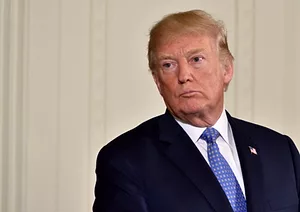
President Trump imposed tariffs Friday on $50bn in Chinese products, signaling his willingness to unwind nearly a quarter-century of growing commercial links between the world’s two largest economies unless Beijing agrees to transform the way it conducts business.