Entrepreneur Eric Ries rose to prominence by teaching startups how to adopt the best practices of big, global companies. Today he's also teaching huge companies how to behave more like the upstarts.
The European Union proposed last week a 30-percent cut in carbon-dioxide emissions from cars and vans in the decade through 2030, seeking to prod auto makers toward cleaner technologies led by electric vehicles and curb climate change.
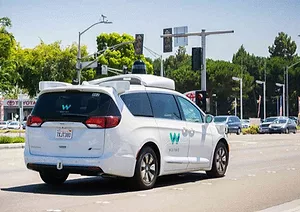
Baidu President Ya-Qin Zhang has a mild-mannered style at odds with his bold goals for "Apollo," the fast-growing, open-source self-driving car platform the Chinese tech giant launched in July.
Audi is recalling almost 5,000 cars in Europe for a software fix after discovering they emitted too much nitrogen oxide, the polluting gas that parent Volkswagen (VOWG_p.DE) concealed from U.S. regulators in its devastating 2015 "dieselgate" scandal.
From the window of our small plane flying low over the desert, Saudi Arabia's Empty Quarter looks as remote as the name suggests, with burnt-orange dunes stretching into infinity under the blinding sun. Not even the Bedouin nomads with their camels are visible, because there are too few of them amid the vast landscape. It's only when the plane bumps down on an empty runway at an outpost called Shaybah that it is clear that the world's biggest sand desert is not, in fact, empty.
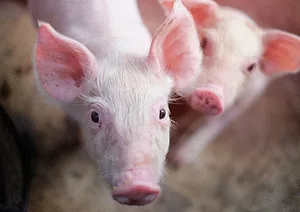
Here's something that may sound like a contradiction in terms: low-fat pigs. But that's exactly what Chinese scientists have created using new genetic engineering techniques.
Daimler AG is jumping the gun on Tesla Inc. by showing off a battery-powered heavy-duty truck weeks before the California electric-carmaker's own planned unveiling, in a sign of the growing rivalry between the companies.