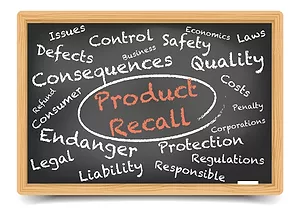
Automakers embraced Takata's cheaper technology almost 20 years ago despite signs that it was unsafe. The airbags are now at the center of the auto industry's biggest recall.
More than ever, retailers are reimagining their businesses - the functions their stores provide, the value they bring, and how they operate, driven not only by the rise of omnichannel and the need to respond to competitive threats from Amazon and others, but as well by the possibilities that new technologies create. We are at the beginning of a new era, where the store is a multi-faceted venue with the ability to fulfill orders with the efficiency of a warehouse and capture shoppers' buying behaviors and personalize as well as websites do, all while providing the experiential and human touches that only a physical store can.
Globally and in the U.S., a new breed of company - including manufacturers - are taking advantage of growth outside their home market and going international. To what extent are small and middle market businesses becoming more multinational? What's driving this trend?
Real-time monitoring solutions and Internet of Things (IoT) technologies can identify more problems in cold chains than incumbent systems, but a strong business case exists only for high-value products like vaccines or clinical samples, and commodities that suffer high loss rates, according to Lux Research.
U.S. retailers gearing up for the holidays could be overlooking a key source of sales: international shoppers. To win in the global e-commerce race, companies can't rely on the same approach they use domestically. Featured products, marketing content, and promotions targeting U.S. consumers may not resonate in all markets. For example, as U.S. retailers promote their discounts on that latest style winter coat, super-fast sled or snow tires, they'll need to remember that it's summer in Australia.
The Indian airline's new system, installed this summer at Hyderabad Airport, enables passengers to automatically receive a boarding pass as soon as they arrive at the airport, or to tap their phone against an RFID-tagged sign to access that pass.
Challenge: A leading international snack manufacturer was faced with varying business processes and multiple planning/scheduling systems resulting in slow customer response times, lost sales and high working capital.