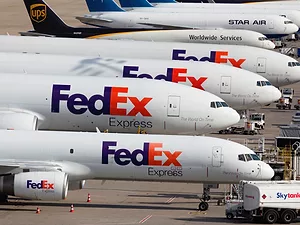
Blaming a weakening global economy, FedEx Corp. sharply slashed its profit outlook in the latest sign that trade tensions are dragging down U.S. corporate titans.
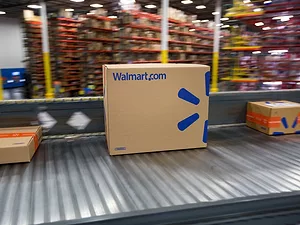
Looking to generate more profit from its online unit, Walmart wants to start storing and shipping products for third-party vendors for the first time — just as rival Amazon.com has done for years.
Put together the best solar panels money can buy, super-efficient batteries and decades of car-making know-how and, theoretically, a vehicle might run forever.
A draft executive order would target foreign shippers routing deliveries through the U.S. Postal Service — not the two-largest U.S. couriers United Parcel Service Inc. and FedEx Corp.
A switch to World Trade Organization rules along with tighter controls on international shipping have the potential to hamstring the U.K. industry, the British Fashion Council said.
The first cargo of liquefied natural gas has set sail from a $15 billion Texas export terminal, amplifying America’s growing influence on the global market for the fuel.
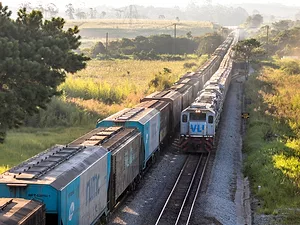
Beyond an unsustainable pension system Brazil is working to fix, there’s a vast web of smaller bureaucratic hindrances holding back Latin America’s largest economy.
As shippers seek to optimize supply chain operations, technology allows for innovation to meet that need. This has prompted a recent rise in shipment visibility providers. The most efficient solution, however, is digital load matching which integrates supply chain technologies—including visibility—with machine learning and artificial intelligence.