For every dollar consumers spend on food, only 7.8 cents goes to farmers — a record low that reflects shifts in how Americans eat, according to the Department of Agriculture.
Aerospace suppliers are starting to explore blockchain technology to keep tabs on their supply chain, potentially tracking parts such as that at the center of a Southwest Airlines accident last month.
Freight-hauling firms slowed their roll in ordering new trucks last month, as backlogs at equipment factories spiked following record demand for new vehicles in the first quarter.
Investor interest in building and acquiring warehouses in the age of Amazon.com Inc. is overheating, and there might be more distribution centers created than there will be tenants to fill them, billionaire Sam Zell said.
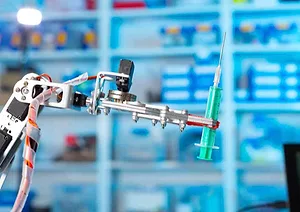
At its high-tech laboratories in the Chinese manufacturing hub of Shenzhen, Beike Biotechnology is developing medical robots that could help treat cancer. It has big plans to export these to markets like the United States.
The supply chain is about much more than simply getting products from point A to point B. In many cases, it’s a company’s lifeblood of success — something that can make or break a corporate image. When a supply chain is customer-focused, well-leveraged, and cost-effective, the financial benefits can move from simply good to extraordinary.
When it comes to determining the optimal price of a product, component or raw material, artificial intelligence can do more than come up with the answer. It can help you to understand the questions you ought to be asking.