Brick-and-mortar retailers that have seen their businesses upended, and some literally destroyed, by the rise of e-commerce finally had a moment of vindication last week: The U.S. Supreme Court, in a landmark 5-4 ruling, basically gives states the green light to have online retailers collect sales tax just like any local retailer.
When Volvo Car Group broke ground on its first U.S. assembly plant in 2015, it was a proud proof point for the Swedish automaker’s rebound and global expansion, not a chess move in anticipation of a possible trade war.
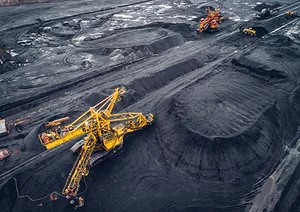
At least three U.S. coal shipments on their way to China may end up casualties of the escalating trade dispute after Beijing said it would impose steep tariffs that may kick in before the ships reach their destinations.
The Trump administration’s China tariffs spared some finished goods like smartphones and washing machines, while charges on parts and components could drive up costs in the U.S. supply chain.
President Trump imposed tariffs Friday on $50bn in Chinese products, signaling his willingness to unwind nearly a quarter-century of growing commercial links between the world’s two largest economies unless Beijing agrees to transform the way it conducts business.
After nearly eight years of starts, stops and delays, the U.S. Department of Homeland Security (DHS) has finally implemented its much-debated Air Cargo Advanced Screening (ACAS) program — requiring all carriers of commercial cargo to report electronic airfreight data to U.S. Customs and Border Protection (CBP) before the cargo is loaded onto aircraft bound for the states.
The International Monetary Fund is warning that U.S. President Donald Trump’s new import tariffs threaten to undermine the global trading system, prompt retaliation by other countries and damage the U.S. economy.
The European commission has said the “simply unacceptable” imposition of high tariffs by the U.S. on Spanish olives is already having a major effect on producers in southern Spain.