Throughout the logistics industry, food is one of the most demanding goods moved around the world. Statistics also show that it is also one of the most disposed products worldwide in relation to the produced quantity with 30 to 50 percent of food going to waste. The highest portion is on the consumers' side. But In the supply chain, a non-stop cold chain monitoring is the major instrument for food staying fresh and not rotting ahead of time. There are already several solutions in the field to collect data to monitor the cold chain. But most of these solutions are costly to install and to maintain and therefore only suitable for high-priced products such as pharmaceuticals. Wireless sensors that use the energy harvesting principle now overcome these challenges and open the door for a complete traceability of food at affordable costs.
The price of popular breakfast cereals is set to soar over the next 15 years as a result of climate change, argues a new report from Oxfam International.
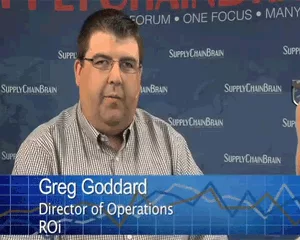
ROI was founded 15 years ago to help Mercy Health Systems reduce overall supply chain expenses and improve patient care. Greg Goddard, project director for supply chain operations, discusses ROI's business model and how changes in U.S. healthcare are impacting the supply chain.
As extreme weather impacts global supply chains, industries must keep resources moving. Be it the flow of goods, electricity, communications or oil and gas, today's governments, global manufacturers, aid relief organizations and insurance firms are worried sick over supply chain disruptions. And it's easy to see why.
If you're still not convinced that sustainability can be a big marketing tool for global brands, then take a glance at the latest "Conscious Actions" report from Hennes & Mauritz AB - known to clothing shoppers around the world as H&M.
Matt Harding, principal in the Freight Market Intelligence Consortium of Chainalytics, offers a snapshot of the current transportation environment, looking at rates, regulation and other major factors.
Today, businesses of all stripes are sowing the seeds of Big Data everywhere. And if we think Big Data is big, just think how that data multiplies and branches out when rooted in the multifaceted field of supply chain management.