Following another top Tesla executive departure amid production turmoil, Chief Executive Elon Musk said Monday it's time for a "thorough reorganization" at the electric-car maker.
Some ship operators are still looking for ways to skirt an international ban on the release of oily waste into ocean waters, in some cases using a tool known as a “magic pipe” to bypass cleaning devices, despite a crackdown on the practice.
Apple, the largest publicly traded company in the world, joined a major collaboration last week that could change how it gets one of the key components that makes its ubiquitous gadgets look so sleek: aluminum.
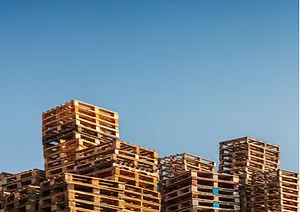
When Johnson & Johnson heard complaints in 2009 about a musty odor coming from Tylenol Arthritis Pain caplets, it retraced its entire supply chain to find the source. The culprit: shipping pallets.
“Autonomous vehicle” tends to conjure images of flying drones and quadcopters. But autonomous trucks will have a far more immediate and lasting impact on cargo, says Dan Murray, vice president of the American Transportation Research Institute (ATRI) — although it may be some time before such vehicles are embraced globally.
Imports at U.S. major retail container ports are expected to grow steadily throughout the summer despite the prospect of heavy tariffs on goods from China, according to the monthly Global Port Tracker report released last week by the National Retail Federation and Hackett Associates.
The chocolate industry needs to ask itself hard questions because a decade of efforts to improve the living standards of cocoa farmers have produced little effect, according to a new report.
One year ago it was the WannaCry ransomware attack. Less than a year ago, the NotPetya cyberattack cost organizations like Merck & Co., FedEx, the port of Rotterdam and a whole host of others billions of dollars in total. Today geopolitical tensions are increasing and with them, the threat of more, and more-devastating, cyberattacks.