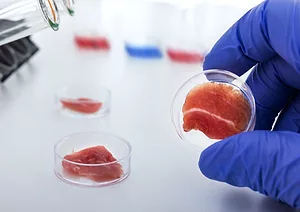
In America’s food-obsessed landscape, the quickest route to a new idea is to look for something already being done — and then make it vegan. Wild Earth Inc., a startup based in Berkeley, California, is doing that to pet food with lab-created proteins. Translated, that means fake meat for Fido.
Since the Modern Slavery Act of 2015, British companies over a certain size have been required to report on slavery in their supply chains. Their statements are both shocking and admirable.
A Dutch journalist has uncovered Royal Dutch Shell documents as old as 1988 that showed the oil company understood the gravity of climate change, the company’s large contribution to it and how hard it would be to stop it.
Trucking companies eager to hire more drivers but facing a slim pipeline of new recruits aren’t finding much to encourage them at the James Rumsey Technical Institute in Martinsburg, W.Va.
The last two decades have brought an impressive parade of new technologies, and smart companies have made the most of them to boost supply chain efficiencies.
When Ayesha Akhter walks into the factory where she works, the supervisor greets her with a smile and wishes her a pleasant day — a major change after years of physical and verbal abuse from managers in Bangladesh’s $28bn garment industry.
Every business that hopes to successfully compete beyond the grassroots level to reach the global, modern stage is being redefined by digital technologies.