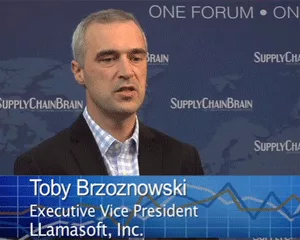
Retailers are moving away from liquidating outdated inventory for a set price of pennies on the dollar, says Jeremy Witte, COO of Genco Marketplace. Instead they are looking to partners to maximize liquidation returns through a network of secondary merchants.
The focus of RFID in the supply chain has shifted from case tagging to item tagging, says Ann Grackin, CEO of ChainLink Research. Grackin explains why this is so and details other areas of the supply chain where RFID is being embraced.
Managing the multiple relationships in today's supply chains requires a new level of cross-functional business processes, says Doug Lambert, director of the Global Supply Chain Forum at Ohio State. He identifies eight critical processes and explains methods for implementing them.
In recent decades, companies in sectors from automotive and high-tech to retail and consumer packaged goods have come to realize that their supply chain is much more than the cost of getting products into customers' hands. These companies understand that it is the supply chain that translates corporate strategy into day-to-day interactions both within and beyond the organization. Ultimately, it is the supply chain that satisfies or disappoints their customers.
Retail is still under attack and consequently the security effectiveness of retail organizations as a whole has continued to decline over the past year. However, almost 75 percent of retailers that experienced a data breach in the last year have improved their security effectiveness since the point of their breach, while a third of the breached retailers link back to compromises via third-party vendors.
Bring your own device (BYOD) has become an accepted practice in business. Gartner predicts that by 2017, half of all employers will require workers to supply their own devices for work. Yet there are mixed reports about whether BYOD actually saves businesses money.