President Trump imposed tariffs Friday on $50bn in Chinese products, signaling his willingness to unwind nearly a quarter-century of growing commercial links between the world’s two largest economies unless Beijing agrees to transform the way it conducts business.
Retailers and manufacturers are taking stock of their transportation costs and exploring alternatives as a capacity crunch in freight is driving up prices and causing shipping delays.
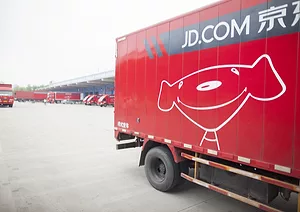
Google will invest $550m in JD.com, one of China’s largest e-commence companies, as part of a strategic partnership to jointly develop markets outside of the country, the two said in a statement Monday.
International Association of Ports and Harbors (IAPH) President Santiago Garcia Milà is calling for closer cooperation between various port-related organizations.
After nearly eight years of starts, stops and delays, the U.S. Department of Homeland Security (DHS) has finally implemented its much-debated Air Cargo Advanced Screening (ACAS) program — requiring all carriers of commercial cargo to report electronic airfreight data to U.S. Customs and Border Protection (CBP) before the cargo is loaded onto aircraft bound for the states.
When HP’s CEO Dion Weisler talks about the importance of diversity inclusion, he really means it. The legendary company, famous for printers and PCs, has told its vendors that it expects them to “step up” to make gender and racial diversity a priority at their companies — or else — HP (HPQ) won’t do business with them.
The International Monetary Fund is warning that U.S. President Donald Trump’s new import tariffs threaten to undermine the global trading system, prompt retaliation by other countries and damage the U.S. economy.
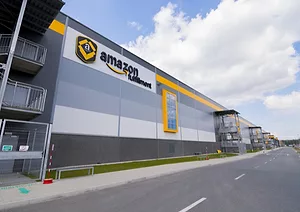
Amazon.com Inc. has long used robots to help humans move merchandise around its warehouses. Now automation is transforming Amazon’s white-collar workforce, too.