


Logistics experts are busy considering ways in which their supply chains can be redesigned so as to avoid the kind of congestion that has brought international goods movement to a virtual halt at major ports. But in the meantime, the system is crying out for some form of immediate relief.
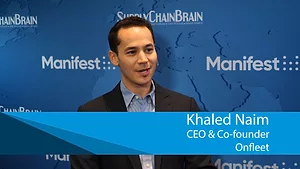
Final-mile delivery will not go back to pre-pandemic levels, says Khaled Naim, chief executive officer and co-founder of Onfleet. Shippers need to make adjustments.
As more and more Latin American companies digitize their logistics operations, inefficient silos are falling, says Alfonso de los Rios, chief executive officer and co-founder of Nowports.
Robert Sutton, executive vice president of innovation with BNSF Logistics, discusses how supply chain service providers have pivoted to meet the needs of customers during the pandemic.
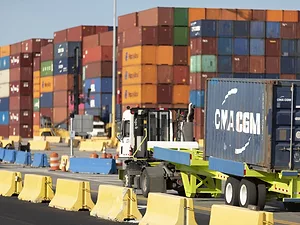
Ocean cargo handlers are scrambling for solutions to the congestion that continues to plague major U.S. container ports, especially Los Angeles and Long Beach. But the ultimate answer might lie in something beyond their control: time.
Dana von der Heide, chief commercial officer and founder of Parcel Perform, explains what’s driving the need for greater visibility in parcel delivery, and how to achieve it.
As cities go carless, how can issues of mobility be solved? Peter Berger, director of business development for Woven Planet Holdings Inc., has answers.
Actually, there is truck capacity available, says Bill Catania, chief executive officer of OneRail. It's just a question of making use of existing services through enabling interoperability — and ensuring visibility of orders in transit.
Customer demands for efficient last-mile delivery of e-commerce orders didn't slacken during the pandemic, and will only grow more intense in the years to come, says Manil Uppal, co-founder of Delivery Solutions.