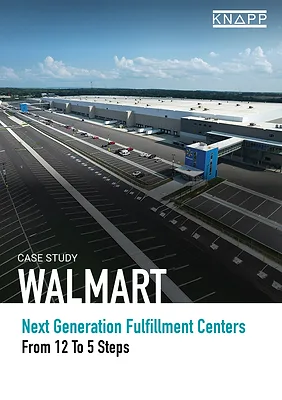

As supply chains face increasing pressure from labor shortages, rising customer expectations and growing SKU complexity, leading organizations are rethinking fulfillment operations to achieve greater speed, capacity and efficiency.
Cost pressure has become a defining challenge for automotive supply chains. Demand volatility, shifting trade dynamics, transportation disruptions and evolving production footprints are forcing manufacturers and suppliers to balance cost, service and resilience in increasingly complex operating environments.
Maintaining exceptional service levels to ensure quality patient care is critical to AstraZeneca, a biopharmaceutical company. But for years, its exceptional service levels came at a cost for the company in the form of elevated inventory levels and planning decisions made with limited end-to-end visibility into its supply chain, which impacted agility and growth.
Life sciences supply chains are among the most complex in the world. Every day, supply chain leaders must balance shifting demand, constrained supply, and strict regulatory requirements, all while ensuring patients get the medications they need. The margin for error is small, and disconnected, stage-by-stage planning just cannot keep up.
How do you plan for a technology that doesn't exist yet, while keeping today's production lines running? That's the challenge Bekaert faced with its titanium fiber-based porous transport layers, a breakthrough component powering industrial-scale green hydrogen production
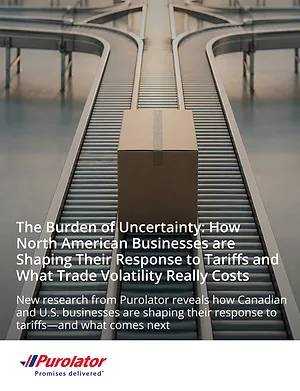
In 2026, Purolator commissioned HelloInfo to survey 348 shipping and logistics decision-makers in Canada and the United States across industrial, retail, healthcare and technology supply chains. The goal: to understand how Canadian and American businesses are navigating an increasingly uncertain trade environment.
Should importers wait for tariff refunds, or sell the claims to investors for early reimbursement? Tony Gulotta, principal and practice leader with the Ryan tax firm, lays out the considerations.