Real-time insights from border crossings allow companies to re-route shipments, renegotiate supplier terms, or rebalance inventory before the ripple effects settle in.
The volume weakness is reflected in spot rates for containers transported to the U.S. West Coast from China, which have dropped for five straight weeks.
The terminal is set to be running by the mid 2030s, and the expansion would allow the Port of Vancouver to handle an additional 2.4 million twenty-foot equivalent units a year.
The increase was fueled by demand from American businesses that have been rushing to import products before President Donald Trump’s latest round of tariff hikes kick in.
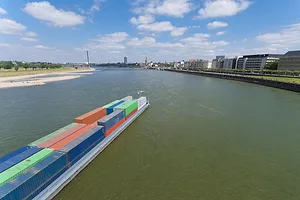
Ships transiting the Danube River in Hungary have only been able to operate at 30-40% capacity, prompting operators to hit cargo owners with surcharges as high as 100%.
A port operating at 90% of capacity generates a lot of inefficiencies, with increased dwell times that can quickly create delays further down the supply chain.
China's UN Ambassador Fu Cong said all parties should restrain "the impulse of force... and adding fuel to the fire," according to a state-run CCTV report.
The latest news, analysis, services and systems regarding global seaports and airports and their impact on global supply chains. Today’s companies are transporting and delivering goods to more international customers than ever before through global ports and free and foreign trade zones. As infrastructure around these global gateways continues to evolve, businesses are discovering new ways to increase efficiency and cut costs. Learn how companies around the world are improving supply chain operations through their strategic use of global seaports and airports.
Subscribe to our Daily Newsletter!
Timely, incisive articles delivered directly to your inbox.