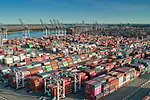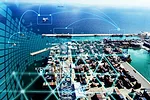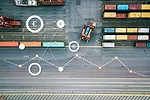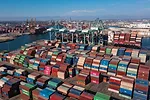
With transportation and logistics operations focused on delivering products and services to specific locations, parts of the industry will always be physical in nature. But what’s now disrupting the sector more than anything are digital forces, from AI-driven automation to increasingly volatile global trade networks.
National Air Traffic Services, a public-private company, suffered a technical issue affecting its flight processing system on the afternoon of September 8.
In a period of disruption and tight margins, especially in the food industry, organizations cannot afford to spend on AI experimentation without yielding results.
The autonomous AI development platform is designed to bring compounding and iterative agentic capabilities to supply chain, readiness, and trade management.
Product identifiers are becoming a way to connect physical products with the operational and digital information businesses need throughout the supply chain.
U.S. District Judge Rita Lin said that Defense Secretary Pete Hegseth's decision to attach the supply chain risk label to the company was "arbitrary and capricious."
The pressures reshaping supply chains today — trade uncertainty, rising customer expectations, and the need for faster decisions — are not temporary. They are the new operating conditions.
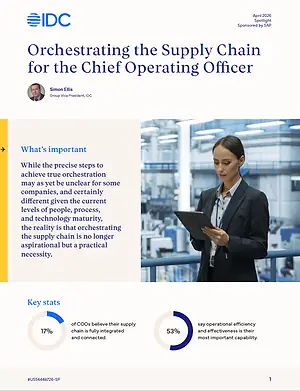
For the chief operating officer (COO), the importance of an orchestrated supply chain cannot be overstated, particularly where speed and agility can mean the difference between strong and weak performance. Read the Spotlight from IDC based on recent research that explores the benefits of an orchestrated supply chain, as well as related challenges and obstacles.
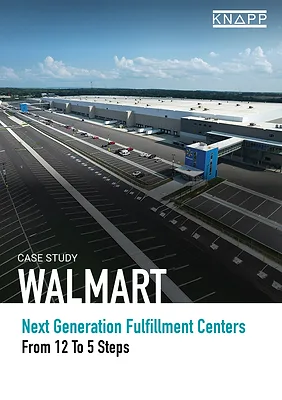
As supply chains face increasing pressure from labor shortages, rising customer expectations and growing SKU complexity, leading organizations are rethinking fulfillment operations to achieve greater speed, capacity and efficiency.
The latest news, analysis and trends regarding technology solutions and their impact on supply chain management. New technologies in forecasting and demand planning, supply chain visibility, big data analytics, the internet of things (IoT), cloud and software as a service (SaaS), enterprise resource planning (ERP) and transportation management systems (TMS) and WMS are transforming the way companies do business - and allowing them to stay ahead of the competition in their industries. As these solutions continue to evolve, businesses are discovering new ways to increase efficiency and cut costs. Learn how companies around the world are improving operations through their strategic use of supply chain technology solutions.
Subscribe to our Daily Newsletter!
Timely, incisive articles delivered directly to your inbox.