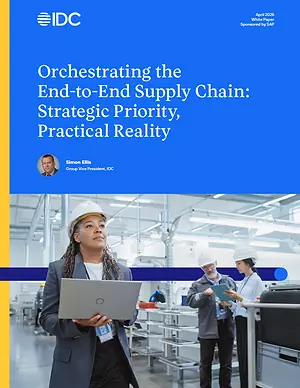
As technology, particularly agentic AI, is poised to change everything, the reality of “my supply chain is good enough” has faded. It has been the view of IDC for some years now that a truly end-to-end, orchestrated supply chain should be the ultimate goal to support the speed, agility, and efficiency of the overall business.
For manufacturing finance leaders, the question is whether AI can help the workflow move faster, while keeping finance in control of the record before anything posts to the ERP.
Visibility isn't enough for supply chain leaders today, says Adrian Wood, director of strategy and marketing at Dassault Systèmes. Organizations need to know how to use the data gathered.
AI is moving fast. But is it generating the measurable results you need from your costly investments? Now that the initial hype is fading and the hard reality of execution is setting in, the real opportunity begins.
Organizations that measure, invest in and manage EDI with the same rigor they bring to other supply chain capabilities find that it underpins almost everything else they’re trying to accomplish.
The future of logistics belongs to those who successfully bridge the human-machine frontier at the physical execution layer, but the window to act is closing.
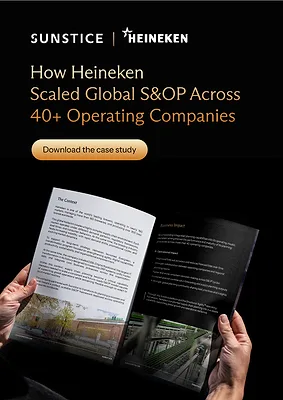
Heineken operates one of the world's most complex brewing supply chains, producing more than 350 brands across 160 breweries and serving nearly 190 markets. At this scale, planning requires continuous alignment of demand forecasts, production capacity, and inventory flows across dozens of operating companies — a challenge compounded by the historical reliance on locally developed planning tools that varied from market to market.
The latest news, analysis, trends and solutions for big data, blockchain and the internet of things (IoT) and their impact on supply chain management. Big data describes the large volume of data that inundates a business on a day-to-day basis and can be analyzed for strategic business insights. IoT is the means that collects and sends data from a range of “things” — anything from watches to fridges to cars — that are connected to the internet with sensors or computer chips. Learn how companies around the world are using big data, blockchain and IoT for supply chain optimization and competitive advantage.
Subscribe to our Daily Newsletter!
Timely, incisive articles delivered directly to your inbox.