Cargo theft is becoming more organized, more sophisticated and more difficult to prevent. Criminals are increasingly using identity fraud, strategic deception and coordinated theft rings to target high-value shipments, forcing shippers, logistics providers and carriers to rethink how they protect freight.
“Connected manufacturing,” incorporates machines, technology systems, people and data into real-time operational ecosystems, replacing siloed, manual workflows.
RFID and machine vision are gaining momentum because they offer a practical, cost-effective path to automation. Unlike large-scale robotics projects that often require major facility redesigns and significant capital investment, RFID readers and AI-powered camera systems can typically be layered onto existing warehouse and manufacturing operations.
Delivery cost rose 12% for the median US operator in 2026, and 88% of operators say it is growing as fast as revenue or faster. With UPS and FedEx peak surcharges already live, cost-to-serve is under pressure just as customers redefine what good delivery means.
Warehouse automation decisions are often based on assumptions about future volume, labor, SKU mix, workflows, and facility requirements. The challenge is that those assumptions rarely stay fixed over the life of an automation investment.
For many supply chain organizations, putting artificial intelligence to work is proving to be a much bigger undertaking than simply adding a new piece of software.
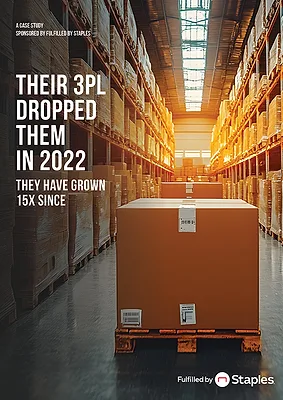
As Chagrinovations, a consumer goods invention company, was on the verge of expanding from D2C sales into nationwide retail and marketplace channels, its existing 3PL provider ended the relationship, citing the company’s small size. The transition created an immediate need for a logistics partner capable not only of supporting existing fulfillment operations, but also of scaling alongside an increasingly complex and diverse business.
PING, a leading manufacturer of innovative golf equipment and accessories for everyone from tour pros to weekend players, partnered with John Galt Solutions to strengthen its supply chain planning capabilities. Through implementation of Galt’s Atlas Planning platform, PING was able to create a fully integrated demand and supply planning environment.
The latest news, analysis, trends and solutions regarding supply chain visibility and its impact on supply chain management. New technologies in supply chain visibility are transforming the way companies operate - and allowing them to stay ahead of the competition in their industries. As these solutions continue to evolve, businesses are discovering new ways to increase efficiency and cut costs. Learn how companies around the world are using supply chain visibility solutions for real-time insight, risk management and supply chain optimization.
Subscribe to our Daily Newsletter!
Timely, incisive articles delivered directly to your inbox.