Daimler AG cast doubt on Tesla Inc.’s plan to deliver electric heavy trucks next year, saying its more modest goal to start selling battery-powered big rigs by 2021 is more realistic.
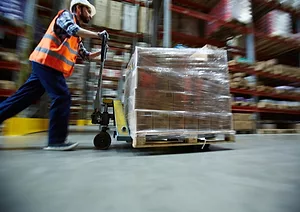
An increasing number of companies are struggling to find quality people to fill positions in their warehouse operations. This issue is not limited to a particular region of the country or industries, but is widespread throughout the supply chain world. Forward-thinking leaders are making changes in both how they recruit employees and how they process orders to minimize the necessary headcount. -Greg Kreis, Principal, Tompkins International
Millennials have come of age during a time of economic uncertainty. The incoming generation of supply chain professionals is ambitious rather than entitled and willing to improve themselves to reach their goals. The SCM discipline offers an alluring crossroads of appealing compensation, long-term stability, and meaningful impact on fundamental processes—at a point in time perfect for improvements from emerging technologies. -Ryan Sullivan, Research Analyst, APQC
Toy companies are mimicking the moves of fast-fashion retailers as they scramble to produce toys and games tied to the swift rise and fall of trends driven by social media.
One of the disruptive impacts of the rise of e-commerce is a shortage of labor to fill a growing number of warehouse positions needed to keep up with increasing e-commerce volume and customer expectations. Distribution hub markets are oversaturated with new DCs and that's driving greater competition for labor. This, at a time when both the working population and unemployment statistics are trending downward. The challenges were never more evident than through the most recent peak season. -George Swartz, Group Vice President, Fortna Inc.
By 2030, the supply chain market labor market is estimated to experience a 20 percent shortage of trained employees. The skill gap is at the intersection of new process evolution based on emerging analytics, the evolution of blockchain, and the use of streaming data for the building of outside-in processes. While most companies have established programs for new hires and high-performance employees, the training of supply chain employees on next-generation processes is a gap. -Lora Cecere, Founder, Supply Chain Insights