
Global Supply Chain Management








Global Supply Chain Management
Popular Stories
-

RFID and Machine Vision are Having a Moment
-

Five Current Challenges Preventing Real-Time Visibility in Connected Manufacturing
-

Building a Resilient U.S. Battery Supply Chain
-
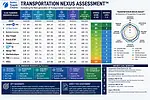
Better Supply Chains Releases Framework for Evaluating TMS Systems
-

From Russian Oil to U.S. Supply Chains: The Hidden Risk of Secondary Tariffs

100 Great Supply Chain Partners 2026: The Secret to Supply Chain Success
VIEW THE LATEST ISSUECase Studies


Visit Our Sponsors |
|
|
|
|
|
|
|
|
|
|
|
|
|
|
|
|
|
|
|
|
|
|
|
|
|
|
|
|
|
|
|
|
|
|
|
|
|
|
|
|
|
|
|
|
|
|
|
|
|
|
|