The global supply chain has entered a new era—one defined by constant disruption. From shifting tariffs and geopolitical conflict to regulatory swings, cyber risks, and climate-related shocks, volatility is no longer the exception, it’s the rule. Legacy systems and disconnected tools can’t keep up, leaving you vulnerable to costly mistakes, delayed responses, and missed opportunities.
DP World saw its revenue increase by 22% year-over-year to $24.4 billion, and its earnings before interests, taxes, depreciation and amortization rise by 18% to $6.4 billion.
The lawsuit cited a Goldman Sachs report that found that consumers had shouldered more than two-thirds of President Donald Trump's tariff costs over the last year.
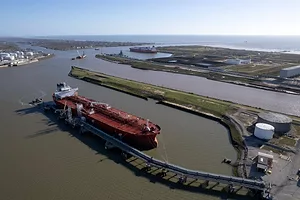
The 30-day exemption, which is still being developed, is set to apply broadly to vessels moving oil, gasoline, diesel, liquefied natural gas and fertilizer among U.S. ports.
Eric Baker, partner in FBT Gibbons’s Private Equity & Venture Practice, discusses whether reshoring and nearshoring efforts are in limbo due to current geopolitical strife.
With tanker traffic through the strait dropping by 90%, it's not hard to draw a straight line between the ongoing conflict and widespread supply chain disruptions.