RFID and machine vision are gaining momentum because they offer a practical, cost-effective path to automation. Unlike large-scale robotics projects that often require major facility redesigns and significant capital investment, RFID readers and AI-powered camera systems can typically be layered onto existing warehouse and manufacturing operations.
Supply chain planning has never mattered more. As organizations navigate continued volatility, shifting customer expectations, economic uncertainty, and the rapid acceleration of AI and new technology, the ability to plan, adapt, and make smarter decisions will be a critical competitive advantage over the next 12 months.
Having AI-driven solutions in place captures invaluable institutional knowledge, standardizes best practices, and provides those real-time insights that ultimately support better decisions
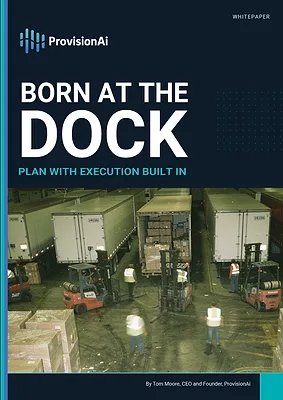
Born at the Dock argues that a supply chain plan is not complete when software approves it; it is complete only when the physical network can execute it and the customer receives the order in full. The whitepaper reframes planning around the dock, where inventory must be found, cases picked, pallets built, shipments staged, trailers loaded legally, carriers dispatched, and destinations prepared to receive.
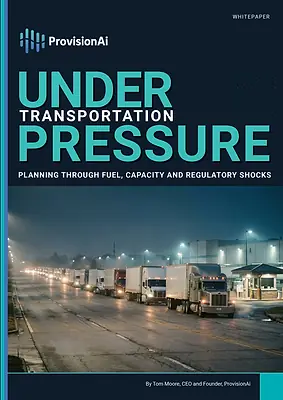
Transportation Under Pressure applies the Born at the Dock standard to a transportation market exposed to volatile fuel prices, tightening carrier capacity, regulatory change, labor constraints, and regional disruption. Its central argument is that shippers cannot control the next external shock, but they can reduce the internal exposure that determines whether that shock becomes a manageable cost increase or an operational crisis.
Supply chains are under constant pressure from disruption, rising costs and increasing service expectations—yet decisions are still made across fragmented systems and functional siloes. Even with heavy investments in digitalization and AI, many organizations remain stuck in reactive execution.
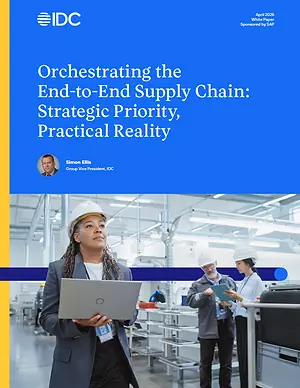
As technology, particularly agentic AI, is poised to change everything, the reality of “my supply chain is good enough” has faded. It has been the view of IDC for some years now that a truly end-to-end, orchestrated supply chain should be the ultimate goal to support the speed, agility, and efficiency of the overall business.
The latest news, analysis, trends and solutions for artificial intelligence (AI) and its impact on supply chain management. New AI technologies are transforming the way companies do business — and allowing them to stay ahead of the competition in their industries. As these solutions continue to evolve, businesses are discovering new ways to increase efficiency and cut costs. Learn how companies around the world are improving operations through their strategic use of AI and machine learning technologies for supply chain management.
Subscribe to our Daily Newsletter!
Timely, incisive articles delivered directly to your inbox.