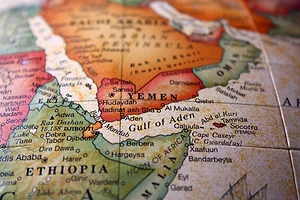
Supply Chains in Crisis
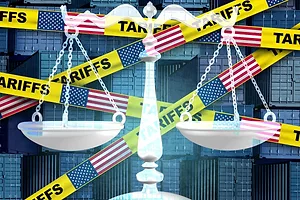
.webp?height=400&t=1752120217&width=300 "TARIFF TRADE WAR BARRIER iStock-wildpixel-2206281674(1).jpg")
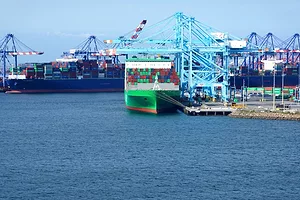




Supply Chains in Crisis
Supply Chains in Crisis
Popular Stories
-

Descartes AI Exchange: AI Agents for Fleet Performance Management
-
U.S. Customs Ramps Up AI Investment in Push to Sharpen Enforcement
-

Shift Left Planning: Why Many Plans Fail to Execute—and How to Fix It
-

Traffic Flows Through Hormuz Despite Shock Ship Attack
-

Hormuz Highlights How Maritime Risk Assessment Needs to Change

SupplyChainBrain 2026 ESG Guide: ESG — The Supply Chain’s Biggest Secret
VIEW THE LATEST ISSUECase Studies


Visit Our Sponsors |
|
|
| |
|
|
|
|
|
|
|
|
|
|
|
|
|
|
|
|
|
|
|
|
|
|
|
|
|
|
|
|