RSS
RSS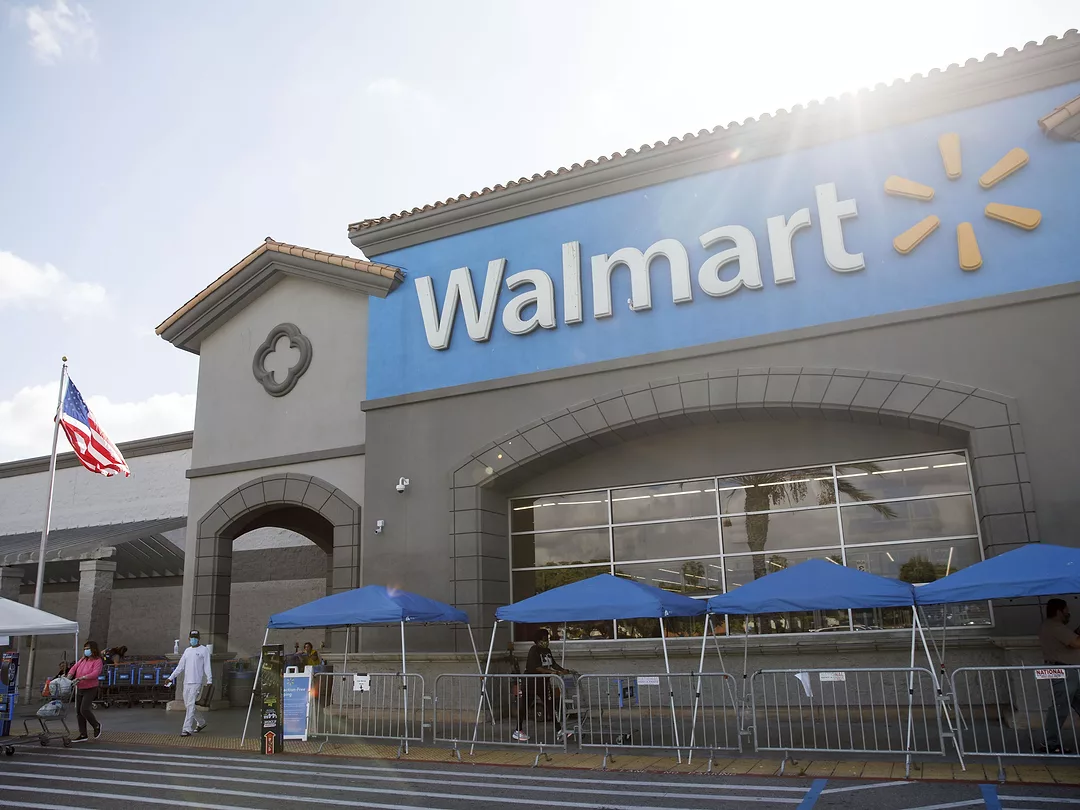

In the new, never-normal world of retail fulfillment, the traditional binary model of product flow from the manufacturer to the distribution center to the store has been replaced by the “buy anywhere, get anywhere, from anyone” paradigm. While the pandemic accelerated the migration, the fundamental shift in consumer buying patterns was apparent long before “social distancing” became a household phrase.
The companies that will lead in the future are the ones that recognize the permanency of COVID-19-driven changes and establish long-term supply-chain strategies to mitigate risk and guarantee products and service to the end customer.
The boom of the “buy online, pick up in store” (BOPIS) and closely associated “buy online, pick up at curbside” (BOPAC) models is not about to disappear. In 2020 BOPIS truly became a lifeline for retailers struggling to maintain relationships with customers who were suddenly wary to walk into stores. However, BOPIS is neither new nor novel. The buzz word five years ago was omnichannel; BOPIS is really a facet of this. That said, the speed at which surging e-commerce changed the game caught even seasoned professionals off-guard.
A BOPIS strategy fortifies a shipper’s brand equity by consistently satisfying the retailer’s replenishment needs. Retailers add a layer of customer convenience and gain additional sales from online shoppers who may buy more items once they arrive at the store. Last-mile delivery costs, which today account for up to 20% of a product’s total shipping charges, are reduced because the customer is going to the product, not the other way around. An optimal experience, both in-store and online, builds brand loyalty and strengthens the bonds between shippers, retailers and the shared customers you serve.
When BOPIS Goes Wrong
One misstep in the BOPIS process can result in an unprofitable outcome for the shipper and the retailer, and worse yet a negative experience for the end customer. A failed BOPIS transaction leaves customers feeling frustrated and betrayed. Your retail website confirmed the product was in stock and would be ready when they arrived. When that does not happen, valuable time is wasted, and so are the consumer’s efforts to take control. Most important, a covenant of trust has been broken with the retailer and, by extension, the shipper. A single negative experience could end in a never-again customer.
When BOPIS Goes Right
When executed properly, BOPIS will reap brand loyalty, lower costs and profitable opportunities for market share. It creates a win situation for the customer and the shipper. Money is saved in the make-or-break last shipping mile and opportunities abound for additional product sales. With BOPIS, bring customers through the door and gain a chance to show off additional products or offer savings incentives. A great example: Shoppers receive a savings coupon when they pick up their orders from Amazon.com Inc. at Kohl’s Corp. stores, incentivizing them to buy Kohl’s merchandise that day.
Pioneers like Walmart Inc. have long been leading the way for BOPIS, but it is not just for the big guys. Not every retailer has the means to support BOPIS, but it applies to a lot more retailers today than it did at this same time last year. Most experts agree that even chains which include as few as 40 stores can benefit from BOPIS. Gone are the days when BOPIS was reserved for large items like furniture. Today’s BOPIS is offered for everything from socks to automotive parts. BOPIS is an area where retailers can compete against Amazon and win.
The devil is in the execution. Delivering an elevated client experience relies on mastery of the many variables comprising a successful BOPIS program. Many moving parts must be considered. These include:
- Retailer visibility into supplier production and replenishment flow
- Inventory management to support order fulfillment when and where the customer arrives
- Cost management to align service levels, customer expectations and financial goal
To execute an effective BOPIS strategy, shippers must understand retailers’ two overarching objectives:
- Ensure a seamless customer experience regardless of the order touchpoint.
- Maintain adequate in-store inventory while expanding digital buying opportunities.
A Holistic Approach
Companies are diversifying their supply sources. Whether this means on-shoring, near-shoring or simply adding alternative regions to the existing base. This is not a quick proposition. Suppliers have to be located, certified and tested. Order patterns have to be established and inventory policies implemented. All of this takes data, analysts and time. Perhaps the most difficult part, managing change.
Whether you are a manufacturer, distributor or retailer, you must be able to support more direct consumer channels than you may have traditionally. This requires better collaboration, inventory management and alternative fulfillment and transportation options.
Control comes through flexibility of contingency plans based on the supply-chain trends of 2020 and scenario modeling for what may occur in the year ahead. Achieving control, however, is not easy, especially at a time when the demand for supply-chain analysis and reporting may exceed the capacity for not just your business, but also the broader marketplace.
Analytical support, tools and technology is only as productive as the knowledge of the people managing it. Seasoned third-party logistics specialists understand how to design and implement a consistently successful BOPIS program that leverages cost-effective automation. They have worked extensively with all stakeholders, and can quickly adjust the go-to-market processes to optimize outcomes and avoid costly missteps.
An expert partner knows how to evolve your solution to drive end-customer satisfaction, remove last-mile delivery inefficiencies and position you for future opportunities. Mastering your BOPIS strategy takes more than just an examination of transportation; it requires a holistic approach.
The detailed metrics at play for developing an effective BOPIS strategy can be daunting, especially if logistics is not a core competency for your company. To develop an appropriate BOPIS strategy, you must get control over your data to understand:
- Impact of network changes on overall transportation costs
- Time-in-transit history through predictive modeling based on carrier zone information
- Analysis of freight expense as a percentage of cost to serve
- Margin impact by product model
- Consumer geography and changes in accessorial charges
- Overlapping shipment details
- Profitability trends at the store level
- Measurable and enforceable SLAs. Constant performance measurement is the only way to know if cost reductions align with service quality and reliability.
- Split-order percentage trends to accommodate changes in inventory, different shipping locations, replenishment activity and multiple packaging needs
- Flexibility in negotiating modifications to carrier contracts
- Proper utilization of transportation management system (TMS) to enhance efficient execution
- True customer experience metrics
- Comprehensive consumer behavior analysis
- A reverse logistics solution that makes sure you have available inventory near the customer — even if it is refurbished. It should also confirm that differences are normalized between return options for online and in-store store purchases.
The End Game
In the end, it all comes down to the last mile. The endgame of any BOPIS strategy is to shrink the distance between the inventory’s resting point and the consumer. To support that goal, shippers and retailers need key information and operation pieces in place before any program goes live.
The last mile is the most complex part of e-commerce fulfillment. It is also the most important. The last mile makes or breaks everything that came before it. Think of a golfer with a great drive and fairway game, but a terrible putting game. When your shipment gets to the green, your customer will remember your brand based on how well you finish. A BOPIS strategy is just one of several last-mile offerings that shippers and retailers are expected to deliver. Done right, it will reap brand loyalty, lower costs and profitable opportunities for market share that may not have existed before. But it requires a specialized level of resources and knowledge. It also requires skills and vigilance to ensure flawless execution.
Lori Blaney is vice president of client solutions at Transportation Insight.