• Advertise
  • Contact Us
  • Supplier Directory
  • SCB YouTube
  • About Us
  • Login
  • Subscribe
  • Logout
  • My Profile
  • LOGISTICS
    • Air Cargo
    • All Logistics
    • Facility Location Planning
    • Freight Forwarding/Customs Brokerage
    • Global Gateways
    • Global Logistics
    • Last Mile Delivery
    • Logistics Outsourcing
    • LTL/Truckload Services
    • Ocean Transportation
    • Parcel & Express
    • Rail & Intermodal
    • Reverse Logistics
    • Service Parts Management
    • Transportation & Distribution
  • TECHNOLOGY
    • All Technology
    • Artificial Intelligence
    • Cloud & On-Demand Systems
    • Data Management (Big Data/IoT/Blockchain)
    • ERP & Enterprise Systems
    • Forecasting & Demand Planning
    • Global Trade Management
    • Inventory Planning/ Optimization
    • Product Lifecycle Management
    • Robotics
    • Sales & Operations Planning
    • SC Finance & Revenue Management
    • SC Planning & Optimization
    • Supply Chain Visibility
    • Transportation Management
  • GENERAL SCM
    • Business Strategy Alignment
    • Customer Relationship Management
    • Education & Professional Development
    • Global Supply Chain Management
    • Global Trade & Economics
    • Green Energy
    • HR & Labor Management
    • Quality & Metrics
    • Regulation & Compliance
    • Sourcing/Procurement/SRM
    • SC Security & Risk Mgmt
    • Supply Chains in Crisis
    • Sustainability & Corporate Social Responsibility
  • WAREHOUSING
    • All Warehouse Services
    • Conveyors & Sortation
    • Lift Trucks & AGVs
    • Order Management & Fulfillment
    • Packaging
    • RFID, Barcode, Mobility & Voice
    • Warehouse Automation
    • Warehouse Management Systems
  • INDUSTRIES
    • Aerospace & Defense
    • Apparel
    • Automotive
    • Chemicals & Energy
    • Consumer Packaged Goods
    • E-Commerce/Omni-Channel
    • Food & Beverage
    • Healthcare
    • High-Tech/Electronics
    • Industrial Manufacturing
    • Pharmaceutical/Biotech
    • Retail
  • THINK TANK
  • WEBINARS
    • On-Demand Webinars
    • Upcoming Webinars
    • Webinar Library
  • PODCASTS
  • WHITEPAPERS
  • VIDEOS
Home » Blogs » Think Tank » Is There a Solution to the Supply Chain Worker Shortage?

Think Tank
Think Tank RSS FeedRSS

Is There a Solution to the Supply Chain Worker Shortage?

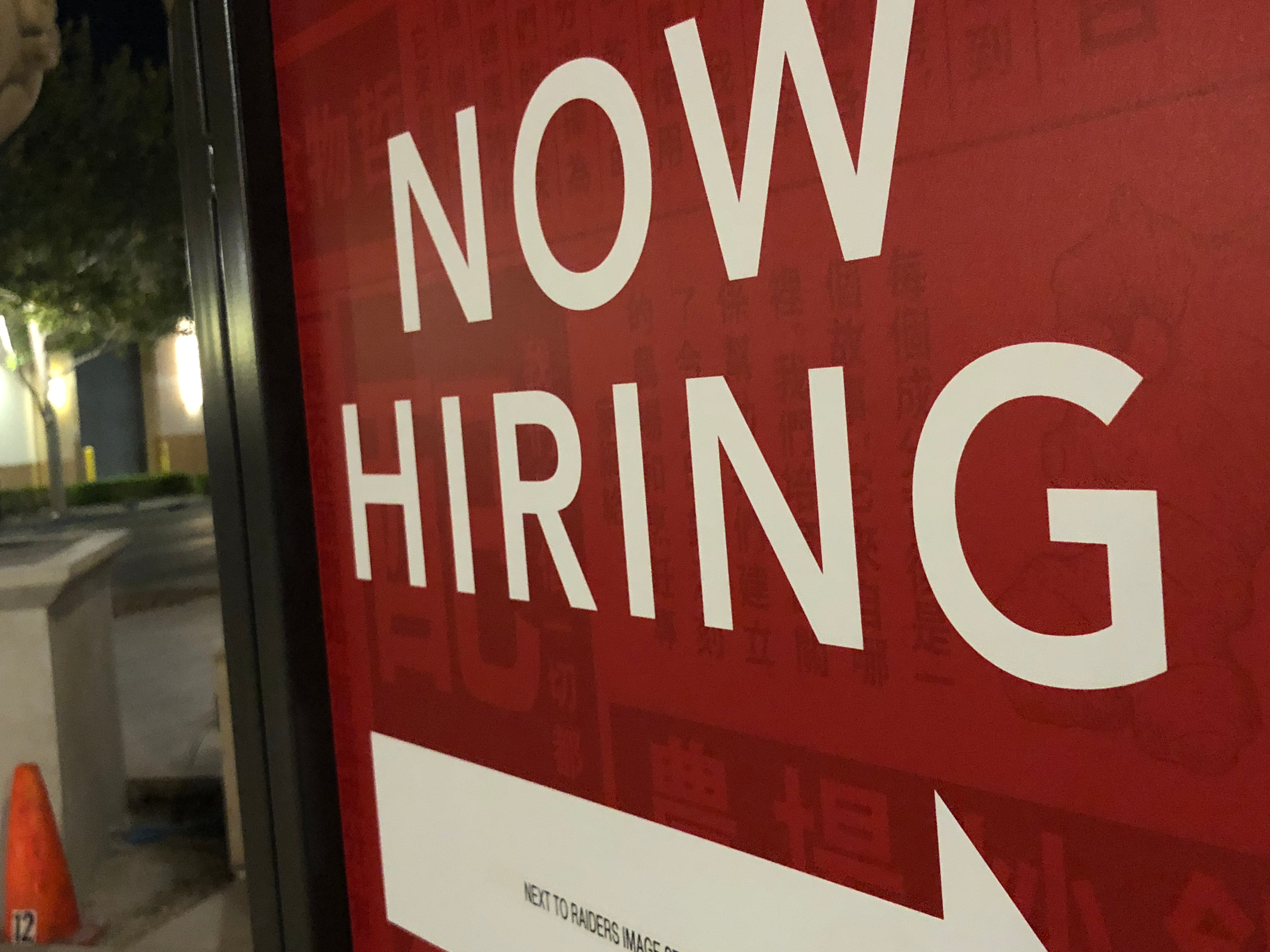
Now hiring sign
A sign reads "Now Hiring." Photo: Getty Images.
November 8, 2021
Robert J. Bowman, SupplyChainBrain

Among the explanations cited for the country’s incredible shrinking labor force this year was the extension of federal unemployment benefits, which supposedly served as a disincentive for going back to work. When that generous assistance ran out in September, the thinking went, the resumes would come flowing in.

So much for that theory.

“We could have seen that coming,” says Dan Johnston, chief executive officer and founder of WorkStep, provider of a networking platform that connects employers with hourly workers. His company had studied the impact of states ending their supplementary unemployment benefits, “and state by state, we saw no significant impact over a three-month period on the available workforce volume.”

The claim that federal aid was keeping people out of the job market wasn’t exactly a myth. Call it more of a hope, by businesses that have been desperate to attract enough talent to keep the doors open. “The supply chain labor market has been strained for years,” says Johnston, “but the last seven months have been like nothing anybody has ever seen.”

Reasons for a serious shortfall of willing labor are many. The most obvious is the continuing effects of the COVID-19 pandemic, which have many prospective workers scared to go back to the office, store, warehouse, factory, restaurant or anyplace else where one is forced to be close to other people. A side effect of that dilemma is a shortage of adequate childcare and eldercare that’s keeping some people, especially women, from returning to the workplace.

Combine that reality with the surge in purchasing by consumers emerging from pandemic-induced lockdowns and sheltering in place, especially on the e-commerce front, and you have an ever-widening gap between supply and demand, Johnston says.

Bottom line: today’s labor situation is very much a seller’s market, a trend that was already in evidence well before COVID-19 appeared on the scene. “Turnover is at an all-time high,” Johnston notes. “It has risen every year in the last decade, and skill gaps are widening.”

The manufacturing and distribution sectors have been especially hard hit, made worse by the power of Amazon.com to vacuum up much of the nation’s available hourly workforce to staff its massive distribution centers and delivery trucks.

To be sure, a good number of those positions are relatively low-skilled in nature. But others require a level of technological fluency that for the most part isn’t at hand. The technology critical to so many operations today, requiring armies of coders, programmers, system operators and maintenance specialists, is accelerating faster than the pace of workforce training, Johnson says. The high rate of turnover is making companies reluctant to invest heavily in honing the skills of workers who are likely to bolt for other opportunities six months from now.

Automation is both problem and solution — the first because it calls for a certain set of skills that aren’t readily available; the second because it can replace at least some of the humans who used to carry out the repetitive tasks that typify a warehouse or manufacturing plant. But Johnston stresses that it doesn’t come down to a matter of humans versus robots. “They’re complementary,” he says. “Output per worker goes up with automation. It’s not a new trend.” Nearly a decade beyond Amazon’s purchase of Kiva Systems, maker of highly sophisticated robots for the warehouse floor, there are more human warehouse workers than ever before.

All businesses sectors have been affected by the workforce shortage, but the supply chain has especially felt the hurt. That’s a major reason why the country is currently suffering from severe congestion at ports, truck yards, railroads and warehouse: there simply aren’t enough people to move the freight. Nor are there clear prospects for an early solution to the problem.

There are steps that companies can take to ease the effects, says Johnston. Most of all, “they need to retain the talent they have to be competitive. And retention starts with prioritizing workforce satisfaction and growth. The pandemic has forced companies of all sizes to view their front-line teams as essential.”

Better pay is an obvious response, and the dynamic between supply and demand is already forcing companies to raise wages in a number of areas. But Johnston cautions against seeing that reaction as an easy solution to the skills gap. “Everybody comes in thinking it’s all about pay,” he says, “but for most organizations, that isn’t even a top-three driver of turnover.”

More important to ensuring employee retention, he says, is the establishment of strong training programs, including education benefits, that lead to opportunities for career growth within organizations, and prepare workers to move up the corporate ladder. Businesses are understandably reluctant to train workers who might have no intention of sticking around, Johnston acknowledges, but “companies that invest in creating internal mobility are able to realize a return on investment on that training. It doesn’t just drive talent to other roles, but also increases retention of existing roles.”


Education & Professional Development HR & Labor Management Supply Chain Security & Risk Mgmt

RELATED CONTENT

RELATED VIDEOS

Subscribe to our Daily Newsletter!

Timely, incisive articles delivered directly to your inbox.

Featured Product

Popular Stories

  • A GLEAMING TUNNEL OF LIGHTS CURVES AWAY INTO A HORN

    Gartner: Top 25 Supply Chain Organizations Are Embracing AI

    Global Logistics
  • HANDS TYPE ON A KEYBOARD UNDER A SUPER IMPOSED DIGITIZED MAP OF THE WORLD, ALONG WITH IMAGES OF A SHIP, A SHOPPING CART AND OTHER SYMBOLS OF INTERNATIONAL LOGISTICS

    Five Demand-Forecasting Mistakes Supply Chain Leaders Are Rethinking

    Technology
  • The outside of Oracle Corporation's corporate headquarters located in Silicon Valley. Photo: iStock.com/Sundry Photography

    Oracle Cuts 21,000 Jobs, More to Come From AI

    Technology
  • Aerial Shot of Container Ship Arriving in Port of Los Angeles Before Sunrise

    Imports Up, Exports Down at Port of LA

    Global Gateways
  • UYGHUR COTTON CHINA UAR TRADE BAN iStock-Gujiang xie-1390673465.jpg

    Canada Ditches Supply Chain Human Rights Watchdog

    Global Trade & Economics

Digital Edition

2026 esg cover main scb q2 2026 cover

SupplyChainBrain 2026 ESG Guide: ESG — The Supply Chain’s Biggest Secret

VIEW THE LATEST ISSUE

Case Studies

  • Recycled Tagging Fasteners: Small Changes Make a Big Impact

  • A GRAPHIC SHOWING MULTIPLE FORMS OF SHIPPING, WITH A HUMAN STANDING AT THE CENTER, TOUCHING A SYMBOLIC MAP OF THE WORLD

    Enhancing High-Value Electronics Shipment Security with Tive's Real-Time Tracking

  • A GRAPHIC OF INTERLACING HONEYCOMBED ELEMENTS REPRESENTING GLOBAL BUSINESS TRANSACTIONS

    Moving Robots Site-to-Site

  • JLL Finds Perfect Warehouse Location, Leading to $15M Grant for Startup

  • Robots Speed Fulfillment to Help Apparel Company Scale for Growth

Visit Our Sponsors

4flow Arkieva Blue Yonder
Carton Cloud CoEnterprise Dassault
Duravant E2Open General Logistics Systems
Hy-Tek iGPS Korber
Lyngsoe Procurability Quinyx
SAP Sikick Systech
S&P Global Mobility TADA TransImpact
US Bank Werner Enterprises WSI
  • More From SCB
    • Featured Content
    • Video Library
    • Think Tank Blog
    • SupplyChainBrain Podcast
    • Whitepapers
    • On-Demand Webinars
    • Upcoming Webinars
  • Digital Offerings
    • Digital Issue
    • Subscribe
    • Manage Email Preferences
    • Newsletters
  • Resources
    • Events Calendar
    • 2026 Event Coverage
    • SCB's Great Supply Chain Partners
    • Supplier Directory
    • Case Study Showcase
    • Supply Chain Innovation Awards
    • 100 Great Partners Form
  • SCB Corporate
    • Advertise on SCB.COM
    • About Us
    • Privacy Policy
    • Contact Us
    • Data Sharing Opt-Out

All content copyright ©2026 Keller International Publishing Corp All rights reserved. No reproduction, transmission or display is permitted without the written permissions of Keller International Publishing Corp

Design, CMS, Hosting & Web Development :: ePublishing