
• Advertise
  • Contact Us
  • Supplier Directory
  • SCB YouTube
  • About Us
  • Login
  • Subscribe
  • Logout
  • My Profile
  • LOGISTICS
    • Air Cargo
    • All Logistics
    • Facility Location Planning
    • Freight Forwarding/Customs Brokerage
    • Global Gateways
    • Global Logistics
    • Last Mile Delivery
    • Logistics Outsourcing
    • LTL/Truckload Services
    • Ocean Transportation
    • Parcel & Express
    • Rail & Intermodal
    • Reverse Logistics
    • Service Parts Management
    • Transportation & Distribution
  • TECHNOLOGY
    • All Technology
    • Artificial Intelligence
    • Cloud & On-Demand Systems
    • Data Management (Big Data/IoT/Blockchain)
    • ERP & Enterprise Systems
    • Forecasting & Demand Planning
    • Global Trade Management
    • Inventory Planning/ Optimization
    • Product Lifecycle Management
    • Robotics
    • Sales & Operations Planning
    • SC Finance & Revenue Management
    • SC Planning & Optimization
    • Supply Chain Visibility
    • Transportation Management
  • GENERAL SCM
    • Business Strategy Alignment
    • Customer Relationship Management
    • Education & Professional Development
    • Global Supply Chain Management
    • Global Trade & Economics
    • Green Energy
    • HR & Labor Management
    • Quality & Metrics
    • Regulation & Compliance
    • Sourcing/Procurement/SRM
    • SC Security & Risk Mgmt
    • Supply Chains in Crisis
    • Sustainability & Corporate Social Responsibility
  • WAREHOUSING
    • All Warehouse Services
    • Conveyors & Sortation
    • Lift Trucks & AGVs
    • Order Management & Fulfillment
    • Packaging
    • RFID, Barcode, Mobility & Voice
    • Warehouse Automation
    • Warehouse Management Systems
  • INDUSTRIES
    • Aerospace & Defense
    • Apparel
    • Automotive
    • Chemicals & Energy
    • Consumer Packaged Goods
    • E-Commerce/Omni-Channel
    • Food & Beverage
    • Healthcare
    • High-Tech/Electronics
    • Industrial Manufacturing
    • Pharmaceutical/Biotech
    • Retail
  • THINK TANK
  • WEBINARS
    • On-Demand Webinars
    • Upcoming Webinars
    • Webinar Library
  • PODCASTS
  • WHITEPAPERS
  • VIDEOS
Home » Blogs » Think Tank » The Benefits of Lithium-Ion Batteries in Electrifying Industrial Equipment

Think Tank
Think Tank RSS FeedRSS

The Benefits of Lithium-Ion Batteries in Electrifying Industrial Equipment

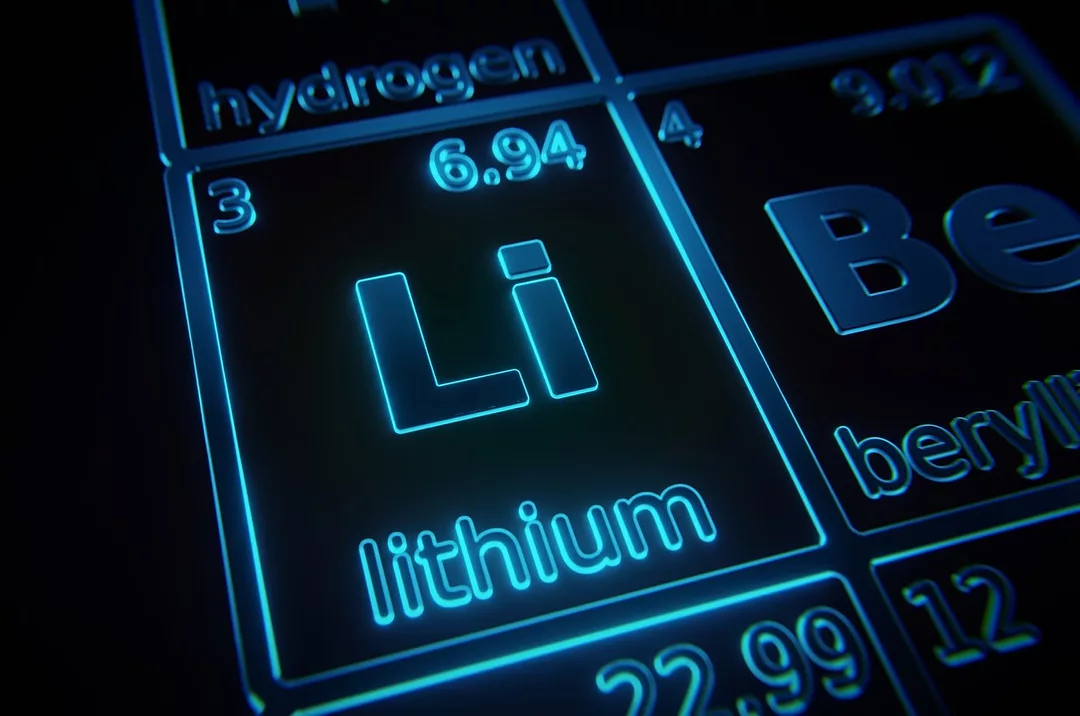
A NEON-BRIGHT PEROIDIC TABLE SYMBOL FOR LITHIUM WHICH IS LI AND ALSO SHOWING VALENCY  3 AND ATOMIC WEIGHT 6.94

Photo: iStock.com/HT Ganzo

September 7, 2023
By Ron Dutt, SCB Contributor

Using lithium-ion batteries in material handling equipment isn’t exactly a new concept, but it has been a severely under-tapped market that is continuing to pick up some serious steam today. More and more companies are starting to realize that electrifying their industrial equipment is more sustainable for work and the environment, all while gaining higher performance from their machines. 

Lithium-Ion Batteries Vs. Lead Acid Batteries

Commercially viable lithium-ion batteries became available in 1991, and have surpassed the traditional lead-acid battery to become the dominant rechargeable battery in nearly all industries. To break it down, a lithium-ion battery refers to a battery with a negative electrode (anode) and a positive electrode (cathode) that transfers lithium ions between the two materials. Lithium ions move from the anode to the cathode during discharge and deposit themselves (intercalate) into the positive electrode, which is composed of lithium and other metals. This process is reversed while the battery is being charged. The lead-acid battery creates its electrical charge when the sulphate in the sulphuric acid becomes bonded to the lead. This is a process that creates more wear and tear on the battery and requires maintenance to keep the battery’s life going, maintenance that is not required in lithium-ion batteries, which also leads to more efficiency and a longer lifespan. 

The Sustainable Cost-Effective Solution

Now, for many, sustainability has become as important as operational efficiency. Today we can show the pathway towards 81% cost savings over a five-year period compared to the lead-acid battery systems a customer may be using to power material handling equipment. While a lithium-ion solution may have come at an “initial” increased cost compared to lead-acid batteries, lithium-ion battery packs provide a significantly lower total cost of ownership, especially for demanding forklift fleets. Lithium-ion cells provide longer run times and lower operating costs. They also simplify operations, eliminate water maintenance, and significantly cut emissions compared to lead-acid batteries and propane engines. Industrial lithium-ion batteries have revolutionized the way business is done and have multiple advantages that make them ideal for any application. The battery’s unique properties allow businesses to improve safety, efficiencies, and to significantly improve return of investment. Other benefits over lead-acid counterparts include faster re-charge times, opportunity charging, long cycle life, and full cloud data reporting for enhanced asset management. Lithium-ion batteries virtually eliminate hazardous off-gassing and spills, making them safer and “cleaner” than traditional alternatives. It’s reasons like these that are causing companies and investors to notice, and why some reports expect the industry to grow more than 30% annually now through 2030.

Effect on the Environment

So it is clear that the efficiency is there in lithium-ion batteries, but what exactly is the impact of this technology on the environment? Sulfate particles found in lead-acid batteries contribute to the acidification of water and soil on the surface. This leads to acid rain, and more damage to the ecosystem. Due to the light color of sulfates, energy from the sun is reflected back into space, meaning it has a cooling effect on our earth. The chemicals in the lead-acid battery also present a higher risk of discharging hazardous and toxic fumes or liquids. Lithium-ion batteries are without these heavy toxic metals, virtually eliminating hazardous off-gassing and spills. Further, most lithium-ion batteries are cased in aluminum, which is more easily recyclable than the lead metals found in traditional batteries. 

Where do Lithium-Ion Batteries Go from Here?

With the rapid evolution of technology and big data, leaders in the industry are looking for ways to get even more productivity and sustainability out of their products. Scalable, cloud-enabled telemetry technologies we can deploy today assure agility even if sustainability goals shift tomorrow. Fleet managers are eager to implement telematics to gain insight into performance and usage patterns. Detailed battery health and charging data, extreme temperature impact, and much more are becoming critical metrics for improving operational performance. The improved sustainability, cost-efficiency and positive global impact of lithium-ion batteries prove it to be a better overall product. Many Fortune 500 companies are migrating to lithium-ion products to meet demands of their large forklift fleets, disrupting the use cases for lead acid batteries.

Ron Dutt is CEO of Flux Power.

Technology Business Strategy Alignment Lift Trucks & AGVs

RELATED CONTENT

RELATED VIDEOS

Subscribe to our Daily Newsletter!

Timely, incisive articles delivered directly to your inbox.

Featured Product

Popular Stories

  • A TRUCK WITH ITS CONTAINER DOOR OPEN SITS UNDER A SIGN THAT READS INTERNATIONAL BORDER COMMERCIAL TRUCKS

    Importers Into Mexico Can No Longer Delay Complying With New Customs Declaration Law

    Data Management (Big Data/IoT/Blockchain)
  • 018_how_3pls_can_get_started_with_ai_v1-(540p).png

    Watch: How 3PLs Can Get Started With Automation

    Logistics Outsourcing
  • An employee in a warm suit crouches down to get boxes of food ready for shipping at a warehouse

    Packaging Optimization Is Boosting Cold Chain Growth

    Air Cargo
  • A FIGURE IN CAMOUFLAGE LOOKS THROUGH A SCOPING DEVICE AT A SHIP IN THE DISTANCE, BELCHING SMOKE

    Strait of Hormuz Ship Transits Are Rising Thanks to U.S. Help

    Global Gateways
  • Heat Haze Distorts Video of Semi-Trucks Driving Down an Interstate Surrounded by Mountains on a Sunny Day

    The Biggest Challenges Facing Logistics Operators This Summer

    Logistics

Digital Edition

2026 esg cover main scb q2 2026 cover

SupplyChainBrain 2026 ESG Guide: ESG — The Supply Chain’s Biggest Secret

VIEW THE LATEST ISSUE

Case Studies

  • Recycled Tagging Fasteners: Small Changes Make a Big Impact

  • A GRAPHIC SHOWING MULTIPLE FORMS OF SHIPPING, WITH A HUMAN STANDING AT THE CENTER, TOUCHING A SYMBOLIC MAP OF THE WORLD

    Enhancing High-Value Electronics Shipment Security with Tive's Real-Time Tracking

  • A GRAPHIC OF INTERLACING HONEYCOMBED ELEMENTS REPRESENTING GLOBAL BUSINESS TRANSACTIONS

    Moving Robots Site-to-Site

  • JLL Finds Perfect Warehouse Location, Leading to $15M Grant for Startup

  • Robots Speed Fulfillment to Help Apparel Company Scale for Growth

Visit Our Sponsors

4flow Arkieva Blue Yonder
Carton Cloud CoEnterprise Dassault
Duravant E2Open General Logistics Systems
Hy-Tek iGPS Korber
Lyngsoe Procurability Quinyx
SAP Sikick Systech
S&P Global Mobility TADA TransImpact
US Bank Werner Enterprises WSI
  • More From SCB
    • Featured Content
    • Video Library
    • Think Tank Blog
    • SupplyChainBrain Podcast
    • Whitepapers
    • On-Demand Webinars
    • Upcoming Webinars
  • Digital Offerings
    • Digital Issue
    • Subscribe
    • Manage Email Preferences
    • Newsletters
  • Resources
    • Events Calendar
    • 2026 Event Coverage
    • SCB's Great Supply Chain Partners
    • Supplier Directory
    • Case Study Showcase
    • Supply Chain Innovation Awards
    • 100 Great Partners Form
  • SCB Corporate
    • Advertise on SCB.COM
    • About Us
    • Privacy Policy
    • Contact Us
    • Data Sharing Opt-Out

All content copyright ©2026 Keller International Publishing Corp All rights reserved. No reproduction, transmission or display is permitted without the written permissions of Keller International Publishing Corp

Design, CMS, Hosting & Web Development :: ePublishing