RSS
RSS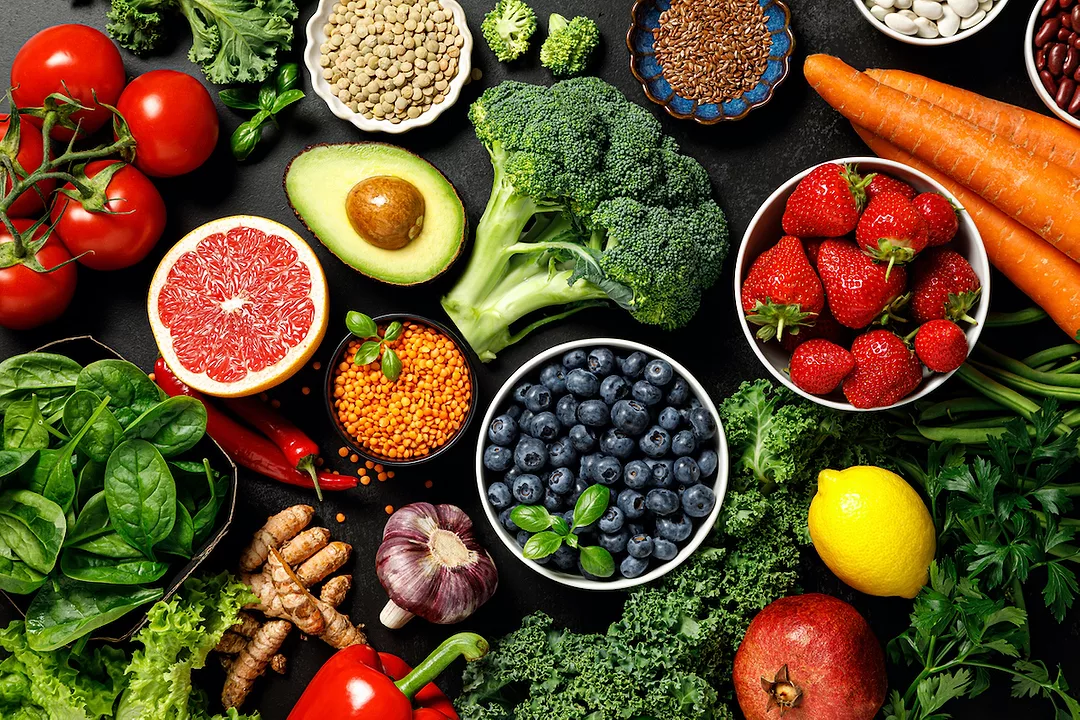

Artificial intelligence in the retail market is expected to grow from an estimated $10.7 billion in annual revenue in 2023 to $127 billion over 10 years. according to Future Market Insights. The potential seems huge. But which processes belong in the "hands" of AI?
Ask ChatGPT the innocuous question: “What should I cook tonight?” The AI responds with "How about a simple but delicious recipe for tonight? I suggest a classic spaghetti carbonara.” A list of ingredients, instructions, and advice follow without being prompted. What began as a private joke is already available today in professional AI applications that refine recipes for consumers and companies, create nutrition plans, simplify processes and analyze consumer trends.
So which decisions are better left for AI? And which ones should be made by humans? In marketing and pricing, for example, retailers have already gathered a lot of positive experience with AI. Gradually, however, the focus is shifting to optimizing their own internal business processes. This is best illustrated with an example in demand planning and inventory optimization in the fresh produce sector.
Smart Forecasts With Neural Networks
The ability to identify correlations, recognize patterns and derive useful knowledge — as well as suggested actions — from the findings are some of the most powerful functionalities of AI. Imagine a retailer offering regional fruit and vegetables. The season for locally sourced peaches from Florida begins in spring, with peak season running from April through May. Before that, in the winter and early spring months, imported peaches from Chile, Mexico or other countries are usually available on the U.S. market. However, their sales will drop significantly as soon as the fresh peaches from Florida are available. In other words, the demand for similar items can shift dynamically in relation to each other. Another example would be when one of several similar products is discounted during a promotion. Or think of all the different varieties of apples within a retailer’s range, which can be differentiated by customers according to price, taste, regionality, color and the like.
Beyond this, seasonal factors generate further dynamics that can’t be captured using statistical methods — or even human intuition and experience alone. Seasonality varies and can extend for longer or shorter periods. Moreover, the procurement of fruit and vegetables often requires occasional additional purchases for which no historical data is available — for example, in cases where the main supplier is unable to meet demand due to poor harvests. All of this illustrates the need to identify and evaluate correlations.
If we look at the past, we might want to know what happened in previous years —not just in the same calendar week, but in the same week of the respective season, regardless of when exactly it started. What happened on different days of the week or in the weeks leading up to them? How was the product range composed at the respective times? Traditional time-series analyses, which generate very good results in forecasting demand for many product groups, fail in this scenario.
AI models must cover all these cases in order to reliably predict demand on a daily basis. Experience has shown that for this purpose, artificial neural networks are well-suited to forecasting at both product group and item level. They can interpret and consider seasonal dependencies over a variable timeframe. A degree of transparency in the evaluation processes is also required. How have the models weighed certain criteria, and what factors played into the overall evaluation and forecast decision? The high sales of regional peaches can’t be explained by the conspicuously high price, as a simple machine learning algorithm might "think," but by regionality and seasonality. Human employees remain in the loop responsible for filling in data gaps, adding unrepresented knowledge, and critically reviewing the plans and exceptions.
Management by Exception
With the help of neural networks, it’s easy to create a solid demand forecast. From this point, planners can move the recommendation into the actual planning phase. Individual planners may be responsible for hundreds or thousands of items or SKUs, which obviously can’t be monitored manually even with the most sophisticated Excel spreadsheet at hand. With AI, search and optimization algorithms can be implemented. Essentially, digital decision-making environments are used in replenishment planning and are mapped in mathematical models, with various different priorities, conditions, forecasts and restrictions that need to be considered. Advanced algorithms can then search through these models — for example, calculate optimized order proposals for each item on a daily basis, or even automatically replenish the fastest moving items.
The ordering process, in turn, requires its own logic, which is why other AI methods should be used. In fresh produce logistics, for example, many retailers aim to make use of every possible delivery to procure small batches so that they can always offer fresh goods, but also avoid inventory waste. In the case of produce (perishable items), higher logistics costs are usually accepted. The AI models must therefore plan order proposals with flexible target ranges, depending on the day of the week of an inbound delivery. Minimum order quantities, replenishment lead times, prices and best-before dates are just some of the other factors that need to be taken into account.
The aim is to work more efficiently through "management by exception." With this, planners will only have to take manual action when very short-term rescheduling is necessary, or when relevant information is available that an AI system hasn’t learned itself. Above that, they will also use their AI models to run simulations for different order scenarios and to derive strategies from them.
Which decisions will be made by AI in the future, and which by human intelligence? The examples above show the enormous complexity that AI can help us to master. However, humans still have a responsibility, not the least of which is to ensure that AI is used both ethically and responsibly. As with previous waves of automation, people will be relieved of repetitive tasks and will be able to focus on exceptional cases and disruptions. These trends will be intensified as soon as complex logic systems, such as those for inventory management, become controllable using large language models (LLMs).
Jörg Herbers is chief executive officer of INFORM GmbH.