
Fashion Brands Have Gone Quiet on Xinjiang Cotton in Fear of Retaliation
When a fashion industry sustainability group called out China over its treatment of Uyghur Muslims, the idea was to nudge Beijing toward human-rights reforms while cleaning up a troubled corner of the $60 billion global cotton business. Western brands have learned the hard way that things don’t work that way in China.
In the 12 months since the Better Cotton Initiative, whose members range from Uniqlo owner Fast Retailing Co. to Nike Inc. to Walmart Inc., published a statement on allegations of forced labor in the cotton-growing Xinjiang region, several brands have suffered major setbacks in China, one of the world’s biggest producers and consumers of the fabric.
The organization missed production targets last year and companies including Levi Strauss & Co. and Chinese sneaker maker Anta Sports Products Ltd. have scaled back their involvement. Others have gone quiet, pulling statements of concern about the situation in Xinjiang from their websites. Hennes & Mauritz AB’s revenue in China, once its fourth-largest market, fell 40% in the most recent quarter.
Although the BCI statement has long vanished from the group’s website, there’s little sign of a truce. Instead, China, which says claims of human-rights violations are unfounded, is escalating its response. In late September it launched a recruitment drive for a sustainability certification program that would undercut the BCI, with the first applications to join due by Friday.
The escalating conflict shows how difficult it can be for brands to satisfy demands from western consumers and human-rights groups for greater sustainability without risking open war with China, which has become more willing to wield its clout to defend its policies. It’s also a potential setback for the broader ESG movement that’s rallying institutional investors around the banner of improved environmental, social and governance targets.
“It’s really terrible if companies start feeling they can’t speak out against atrocities because of a fear of backlash,” said Therese Kieve, stewardship analyst at Sarasin & Partners, which holds shares of Asos Plc and Associated British Foods Plc, owner of the Primark chain. “Then nothing’s going to change.”
The Geneva-based BCI declined to comment on China for this article.
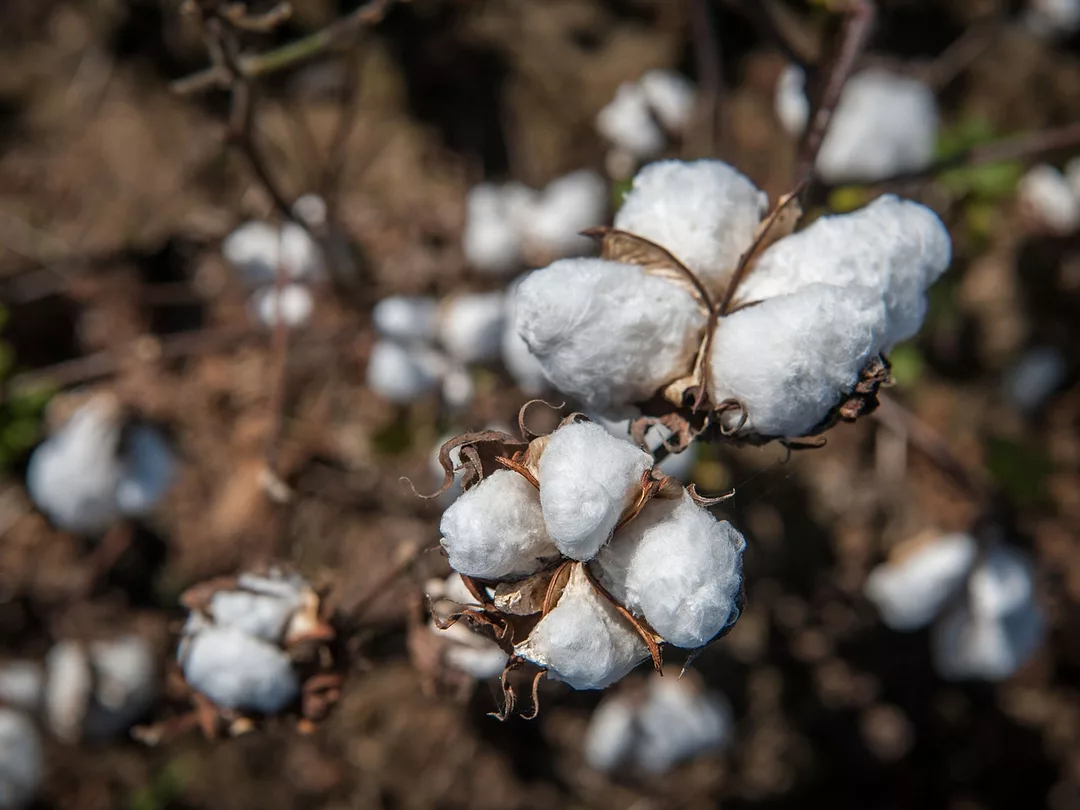
Comfort, convenience and relatively low cost have made cotton the world’s most widely used textile fiber. More than 26 million tons is plucked from shrubs annually and spun into yarn. That’s enough to provide at least two dozen T-shirts for everyone on the planet.
But there’s an ugly side to that success. Growing cotton can often require vast amounts of water and pesticides. Labor practices are hard to police in the remote fields where much of it is grown.
The Better Cotton Initiative was created in 2009, pooling industry efforts to clean up the supply chain. The group tries to help farmers transition to greener methods, while making sure cotton remains affordably priced. The organization also says it refuses to operate in countries where forced labor is “orchestrated by the government.”
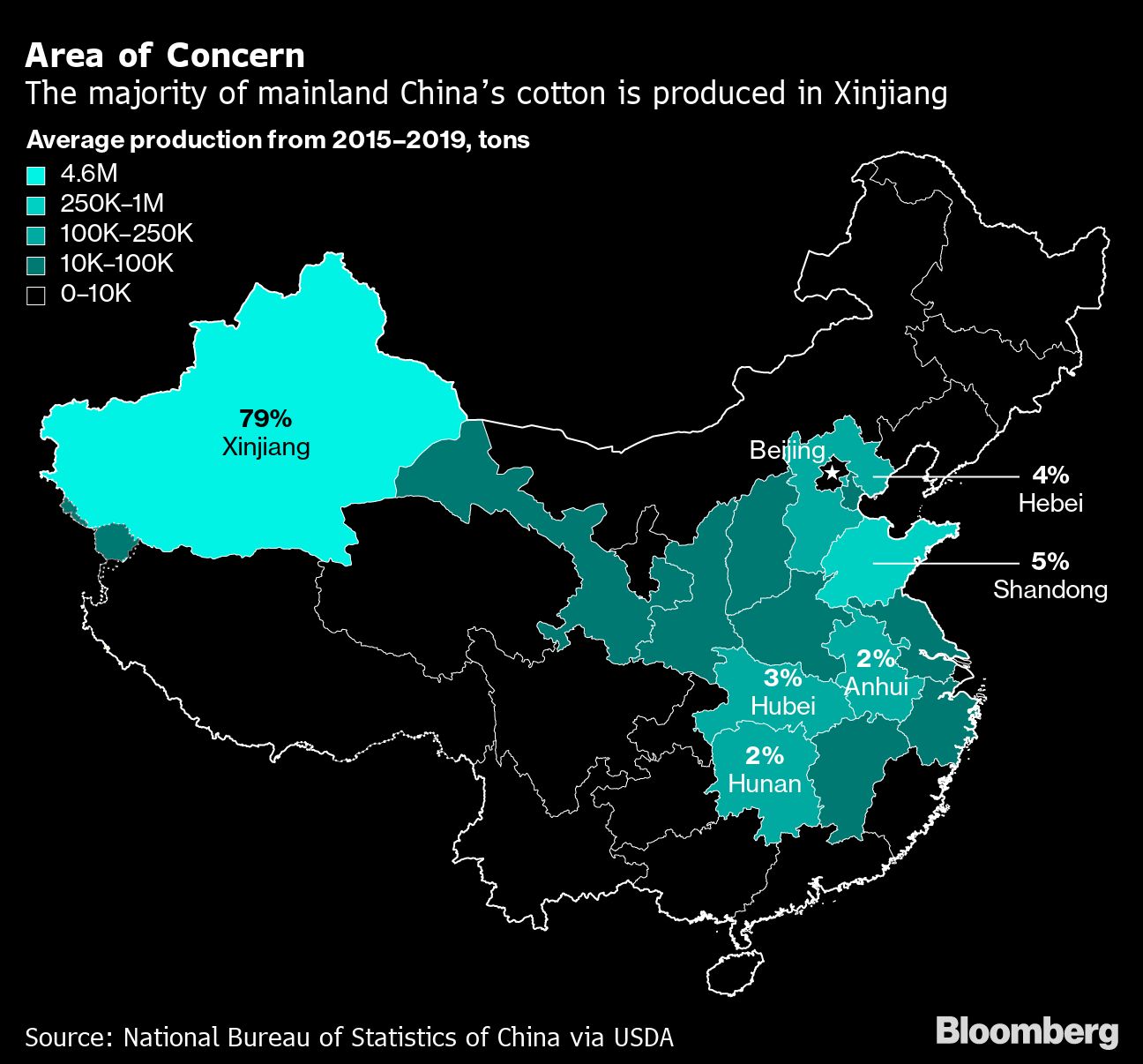
The confrontation that erupted last October followed the U.S. government’s decision to ban some imports from Xinjiang, where it says Chinese authorities are detaining more than 1 million Uyghurs and other ethnic and religious minorities in “re-education” camps in what constitutes an ongoing genocide. China has repeatedly denied these claims.
While the BCI didn’t withdraw altogether from China, it said it would focus on other regions of the country. Beijing responded with fierce criticism of western fashion brands, prompting calls for boycotts. Landlords closed some H&M stores in retaliation for an undated statement on its website that expressed concern about reports of forced labor in Xinjiang.
Dozens of Chinese celebrities ended their contracts with BCI member firms including H&M, Adidas AG and Nike, with former Burberry Group Plc brand ambassador and actress Zhou Dongyu saying the trenchcoat maker had not “clearly and publicly” stated its stance on cotton from Xinjiang.
The flap highlighted a quandary for the foreign labels, said Veronica Bates Kassatly, independent analyst of sustainability claims in the global apparel sector and a former World Bank economist.
“They cannot afford to upset Chinese consumers and they cannot afford to upset Chinese manufacturers, either,” she said.
The BCI has expanded so quickly — it now has more than 2,100 members — and become so prevalent that its production represents almost a quarter of global cotton output. 2.4 million farmers are licensed to sell cotton certified by the organization, which is funded through membership dues and a levy on sales.
There’s also an incentive to becoming a member, as BCI-certified products help fashion giants burnish their sustainability credentials. New members continue to join — nearly 190 in the first half. Among them is Boohoo Group Plc, the British online fast-fashion retailer seeking to clean up its own supply chain.
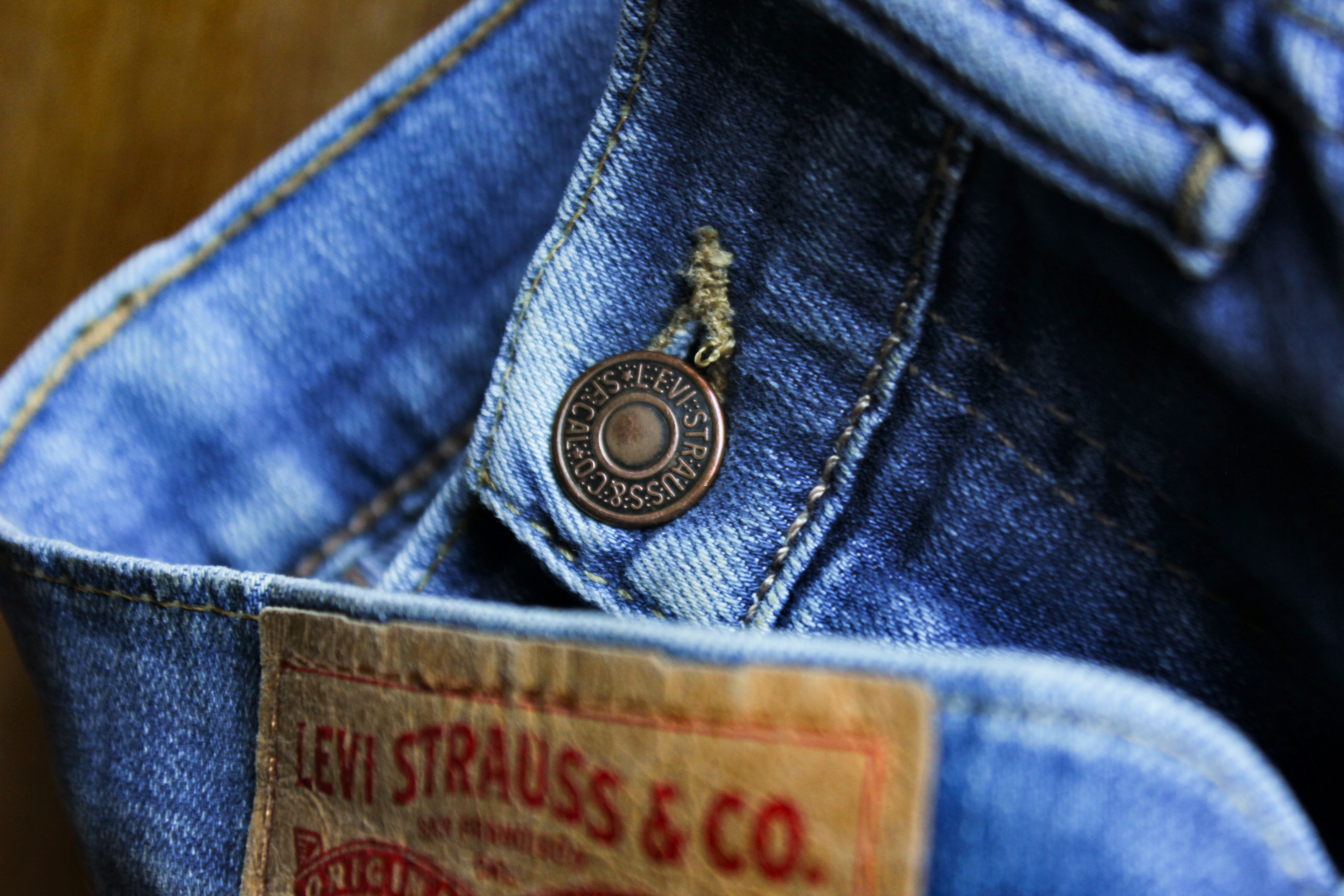
Levi Strauss & Co. jeans. The company has scaled back its involvement with BCI. Photo: Garreth Brown/ Canva.
Few big brands will talk openly about their discussions with the BCI on how to police Xinjiang cotton. Burberry, for example, scrubbed references to the group in its annual report published in June, after citing the organization a year earlier. BCI lists Burberry as a member on its website. The company declined to comment for this story.
“Companies are doing everything they can to avoid these types of public conversations,” Bertille Knuckey, co-head of ESG Research at Sycomore Asset Management. “Now they are just avoiding really engaging on the topic.”
Once the BCI published the statement on alleged human-rights violations, some members expressed frustration that it had gone beyond its primary mission of environmental sustainability and strayed into areas where it did not have adequate knowledge or expertise, people familiar with the situation said.
Levi Strauss’s new chief sustainability officer, Jeff Hogue, who joined last year, decided not to take up a seat on the BCI council even though the retailer, which backed the formation of the program, was due to hold that position until 2022. Levi’s, which remains a member of the BCI, said Hogue is currently focused on the upcoming release of the company’s first sustainability report and ESG disclosure.
At the height of the boycott crisis, BCI said the decision to suspend licensing would prevent almost 500,000 tons of Xinjiang cotton from entering the global supply chain.
The provenance of cotton is hard to trace because of the many stages in the production process. It starts with raw cotton produced in remote villages in countries such as China, India or Mozambique. Seeds are extracted, bolls are removed and the fiber is spun into yards. They’re transported to mills that produce and dye the fabric — often with toxic products and little environmental oversight. The textiles are sold to clothing manufacturers, which ship finished products to stores worldwide.
The fashion and apparel industry was shaken to its core in 2013 when a garment factory collapsed in Bangladesh. The tragedy resulted in more than 1,000 deaths, putting the spotlight on an industry that long pushed profit at the expense of the wellbeing of those at the bottom of the production chain.
Following the incident, brands vowed to improve labor standards, including an increase in the number of labels and certifications meant to show that the industry is tackling abusive working practices.
Authorities from France to the U.S. are carrying out investigations that may shed more light on what is happening in Xinjiang.
Several French campaign groups lodged a legal complaint in April against two BCI members: Japan’s Uniqlo and Spain’s Inditex SA, the parent of Zara. Also named were French fashion group SMCP SA, which owns brands like Maje and Sandro, as well as Skechers USA Inc. The complaint accused the four companies of profiting from forced labor of China’s Uyghur minority as well as crimes against humanity. French prosecutors started an investigation in June.
SMCP and Inditex both strongly denied the accusations and said they will fully cooperate with the probe. Inditex said traceability controls are carried out “rigorously” on its clothing. Fast Retailing said there’s no forced labor in its supply chain and it intends to cooperate with authorities if contacted. Skechers declined to comment on pending litigation, but said previous supplier audits found no use of forced labor.
A criminal complaint was filed last month against the C&A fashion chain and other retailers by the European Center for Constitutional and Human Rights, accusing them of “directly or indirectly abetting and profiting from alleged forced labor of the Uyghurs in Xinjiang,” and being “involved in crimes against humanity.” C&A, a BCI member, says it doesn’t have supplier contracts in the region and doesn’t tolerate forced labor or unauthorized subcontracting in its supply chain.
The association uses so-called “mass balance,” a widely employed volume tracking system, that allows farmers and manufacturers to mix Better Cotton with conventionally grown fabric while benefiting from the label. The system has allowed the BCI to dramatically increase the volume of Better Cotton sold worldwide. But the lack of transparency and full traceability has raised concerns.
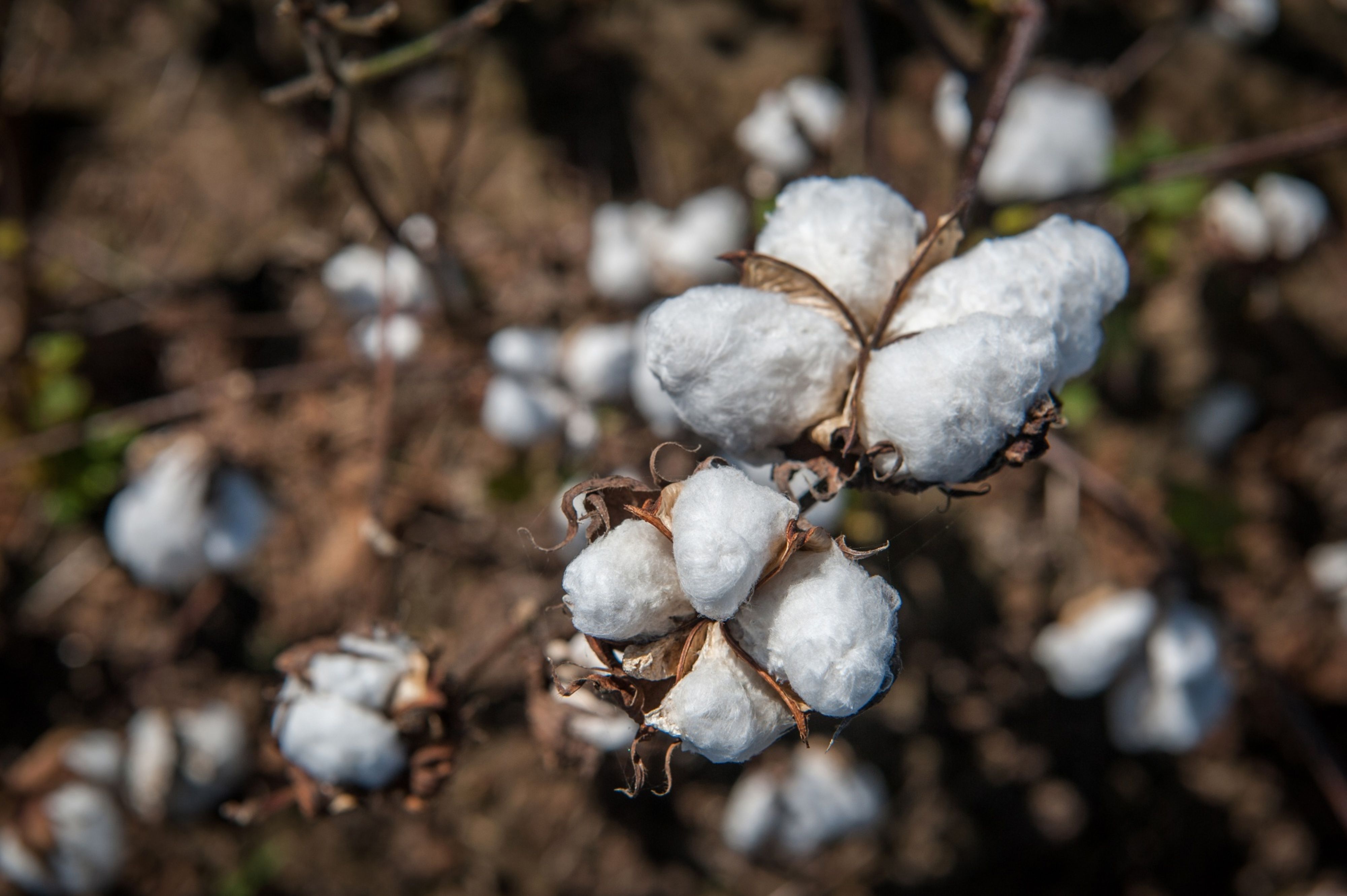
Cotton ready for harvest. Photo: Bloomberg.
“Due to the mass balance approach, there is a potential risk that cotton from the Xinjiang region may be included within BCI cotton,” a spokesperson for British apparel chain Next Plc said. To try to avoid that, the company has explicitly banned the use of cotton from the area.
The BCI has said it’s moving toward a better traceability program in the coming months. C&A is calling for changes in the program.
“It is also time to open up the debate about what are the steps needed to increase the traceability of cotton and what are the opportunities that will arise from it,” said Betty Kiess, a spokeswoman. C&A will continue to collaborate with the organization, she said.
Incremental progress on environmental goals is better than nothing, some brand owners say. Tendam, the Spanish owner of the Women’secret lingerie label, joined the BCI this summer. The initiative is encouraging growers to adopt “better behaviors,” including reduced water usage, said Ignacio Sierra, corporate general manager at Tendam.
Whether global brands embrace China’s own sustainable cotton certification program is an open question. They may need to if they wish to keep selling in that market, and some clothes could even be manufactured solely for the Chinese market based on this label, according to a person familiar with the BCI’s work.
“The standards of BCI are too general and may not be suitable for cotton grown in China,” Wang Wenkui, an executive at the China Cotton Industry Alliance, told the Global Times. The Chinese guidelines will set out specific growing practices, including temperature and regulation of pesticides.
“I’m quite confident that our cotton growing standards will replace the BCI standards in the future,” Wang said.
Popular Stories





SupplyChainBrain 2026 ESG Guide: ESG — The Supply Chain’s Biggest Secret
VIEW THE LATEST ISSUECase Studies


Visit Our Sponsors |
|
|
| |
|
|
|
|
|
|
|
|
|
|
|
|
|
|
|
|
|
|
|
|
|
|
|
|
|
|
|
|