
Sudden Ban on Export Sees Nigeria’s Shea Industry Plummet
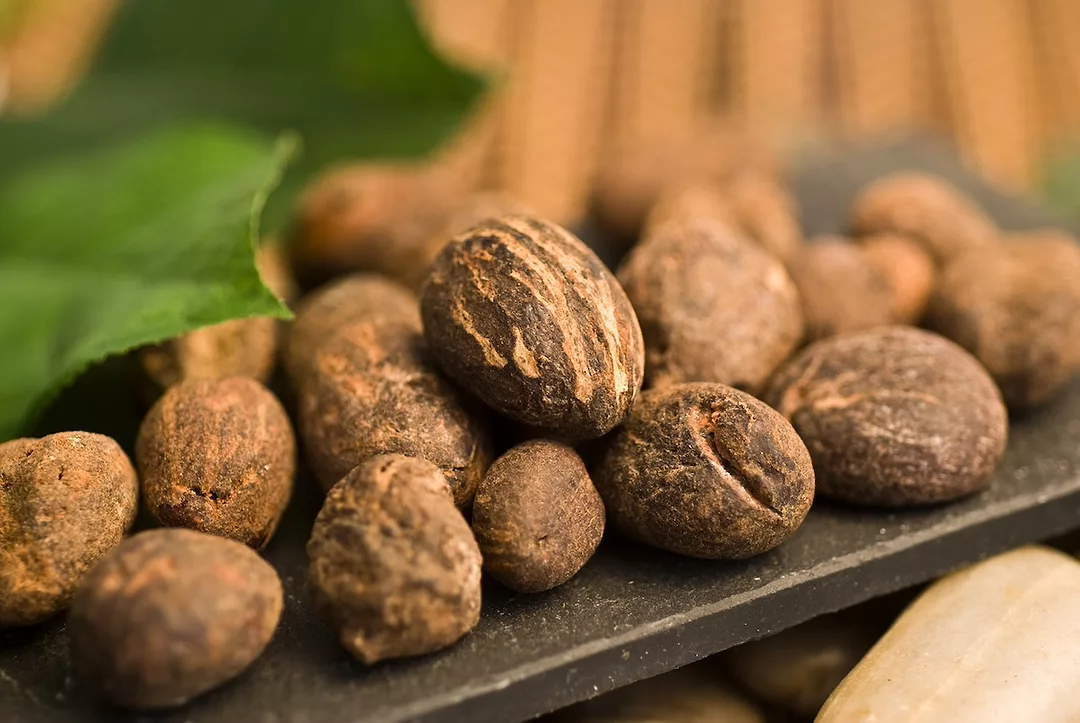
Nigeria accounts for nearly 40% of the world's shea crop. Photo: iStock / luisapuccini
A warning example of how hastily introduced trade restrictions aimed at boosting domestic production can backfire and hurt exactly those intended to benefit is emerging in the Nigerian shea nut industry.
Shea nuts are harvested in the wild after falling from the trees, and then supplied to factories that make shea butter that ends up on the counters of cosmetics shops across the world and in other products such as chocolate. The global shea industry is estimated to be worth some $6.5 billion but, despite being the world's biggest producer, Nigeria earns just a tiny fraction of that sum because the main profit comes from the processed butter, not the nuts.
Women are at the heart of the industry, but, according to BBC News, their livelihoods have been threatened by a dramatic recent change in government policy.
In late August the authorities announced a six-month ban on the export of the raw nut, with the intention of boosting local production of the finished butter, thereby increasing the amount of the profit that stays in Nigeria.
But there is not enough local capacity to process all of the country's harvest, and the ban on exporting the nuts, introduced in the midst of the harvest season, has led to a collapse in the price of shea nuts, which in turn has meant that the income from gathering them is no longer enough for the women to live on.
Popular Stories


.webp?height=100&t=1781237049&width=150 "016_ai_and_data_transformation_in_distribution_v1-(540p).png")


SupplyChainBrain 2026 ESG Guide: ESG — The Supply Chain’s Biggest Secret
VIEW THE LATEST ISSUECase Studies


Visit Our Sponsors |
|
|
| |
|
|
|
|
|
|
|
|
|
|
|
|
|
|
|
|
|
|
|
|
|
|
|
|
|
|
|
|