In a warehouse on the outskirts of Indonesia’s capital, supervisors at e-commerce company Lazada use bikes or electric scooters to zip around a floor the size of four soccer fields, where up to 3,000 staff pack and dispatch goods around the clock.
Gartner, Inc. has announced the winners of the 2018 Supply Chainnovator Awards. The awards, announced this week at the Gartner Supply Chain Executive Conference, recognize unconventional, innovative and high-impact supply chain initiatives in the healthcare, high-tech manufacturing and consumer/retail sectors.
A relatively high duty exemption for small packages imported into the U.S. is having all kinds of consequences for the flood of goods generated by e-commerce.
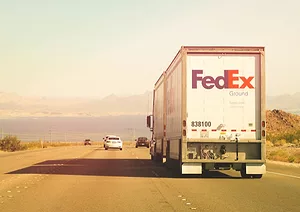
Convinced that blockchain is on the brink of transforming the package-delivery business, FedEx Corp. is testing the technology to track large, higher-value cargo.
President Donald Trump’s long-anticipated decision to pull the U.S. out of the Iran nuclear deal and reimpose sanctions on the Islamic Republic will have a swift effect on some big companies.
In December, the sticker price on the average U.S. automobile hit $38,616, a level not seen since “Tesla” evoked the image of an electrical engineer. Come summer, carmakers will probably break that price record again. It’s true, there are still plenty of cheap wheels to be had in the reasonably priced basement. It’s just that the top of the market is speeding away.
When Johnson & Johnson heard complaints in 2009 about a musty odor coming from Tylenol Arthritis Pain caplets, it retraced its entire supply chain to find the source. The culprit: shipping pallets.
“Autonomous vehicle” tends to conjure images of flying drones and quadcopters. But autonomous trucks will have a far more immediate and lasting impact on cargo, says Dan Murray, vice president of the American Transportation Research Institute (ATRI) — although it may be some time before such vehicles are embraced globally.