As smart cities integrate connected technologies to operate more efficiently and improve the quality of city services, the energy sector is expected to be most susceptible to cyberattacks.
Sustaining isn’t enough any more. Businesses that have joined the corporate net positive movement seek to put more back into society and the environment than they take out.
The first food poisoning cases came to light in late March — eight patrons of fast-food restaurants in New Jersey suffered bloody diarrhea and cramps that sent them rushing to hospitals.
Using traditional product packaging in e-commerce can hurt the bottom line. For many companies, the practice triggers unnecessary, counterproductive costs several percent of their total cost of goods sold (COGS).
As the global $1.9tr e-commerce landscape continues to expand, companies are facing difficulties successfully managing cross-channel commerce across continents, supply chains, and software systems, and are losing revenue as a result.
The risk of cyberattack, once overhyped, now threatens businesses’ very existence, according to a recent survey, 2018 FM Global Resilience Index. These attacks raise the specter of stalled operations, disrupted supply chains, class-action lawsuits and permanent brand damage.
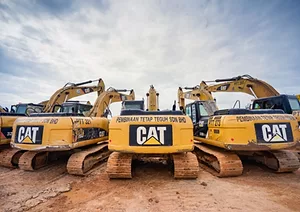
Orders for the mining machines and construction bulldozers made at this sprawling Caterpillar Inc. factory in central Illinois have jumped, in general, three-fold over the past year.
After the Pride of York ferry sailed into the Belgian port of Zeebrugge from Hull in the U.K. earlier this month, dozens of cargo containers were offloaded and whisked away on trucks. The hundreds of passengers weren’t as lucky: They had to line up for border checks.
With tax revenue from legal pot sales in California falling short of projections, a financial analysis firm estimated Tuesday that total sales this year will be $1.9bn, significantly less than \the $3.8bn the company expected.