When Amazon.com Inc.'s $13.7bn bid to buy Whole Foods was announced, John Mackey, the grocer's chief executive officer, addressed employees, gushing about Amazon's technological innovation.
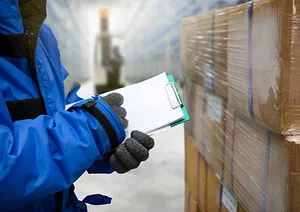
A new low-cost, digital seal has been developed for the CORE (Consistently Optimised REsilient Secure Global Supply-Chains) European Research Project by Dutch software company Itude Mobile.
April Richardson, president of D.C. Sweet Potato Cake, drove more than 17 hours from her home base in Hyattsville, Md., with her sister singing karaoke songs along the way, to pitch her sweet potato cakes at Wal-Mart's recent open call event for American manufacturers in Bentonville, Ark.
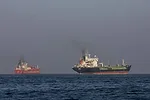
International trade routes are increasingly reliant on a small number of key ports, straits and roads that if disrupted will threaten global food supply, according to a report.
The parent of Burger King and Tim Hortons has vowed to cut the use of antibiotics in its chicken supply, joining other major fast-food chain operators in the battle against the rise of dangerous antibiotic-resistant bacteria known as superbugs.
When it comes to reducing the greenhouse gas emissions, the electricity sector gets much of the attention, considering that it is responsible for 29 percent of those releases. But the transportation sector makes up 26 percent of them. If that is going to change, the electric car will have to make significant inroads.
As Amazon.com Inc looks to swallow U.S. grocery chain Whole Foods, China's tech giants are already digesting hefty bricks-and-mortar deals, taking the lead in the battle to transform supermarket shopping with big data and better supply chains.
Takata Corp. filed for bankruptcy protection in the biggest postwar Japanese corporate failure in the manufacturing industry, as the 84-year-old company buckled under liabilities from millions of recalled air bags and agreed to be sold to a Chinese-backed investor.