
Articles Tagged with ''Service Parts Management''


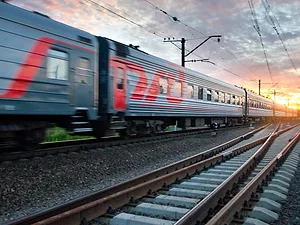
Rail Industry Looks to 3-D Printing to Keep Old Trains Moving
Advances in 3-D printing have been hyped in a number of futuristic applications, like cutting-edge applications in airplane design or parts of rocket engines. But 3-D printing is also making strides in railroads, which hasn’t been considered new-fangled since the 19th century.
Read More

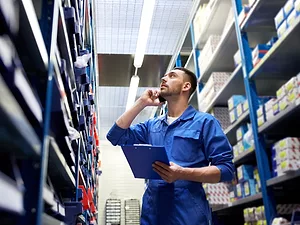
Keeping Reverse Logistics Moving: Three Challenges Your Software Must Tackle
Reverse logistics is an integral process in many industries and can result in lost revenue, missing components and disgruntled customers if not handled correctly.
Read More

Popular Stories
-

RFID and Machine Vision are Having a Moment
-

Five Current Challenges Preventing Real-Time Visibility in Connected Manufacturing
-

Building a Resilient U.S. Battery Supply Chain
-

Better Supply Chains Releases Framework for Evaluating TMS Systems
-

From Russian Oil to U.S. Supply Chains: The Hidden Risk of Secondary Tariffs

100 Great Supply Chain Partners 2026: The Secret to Supply Chain Success
VIEW THE LATEST ISSUECase Studies


Visit Our Sponsors |
|
|
|
|
|
|
|
|
|
|
|
|
|
|
|
|
|
|
|
|
|
|
|
|
|
|
|
|
|
|
|
|
|
|
|
|
|
|
|
|
|
|
|
|
|
|
|
|
|
|
|