In December, Alibaba Group put Pierre Poignant in charge of Lazada, the subsidiary spearheading the Chinese e-commerce giant’s Southeast Asia expansion. The choice was out of character for several reasons.
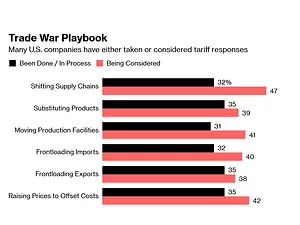
With the U.S. and China starting a fresh round of trade talks this week, a new survey showed more American executives see their businesses gaining from a potential increase in tariffs than being hurt by it.
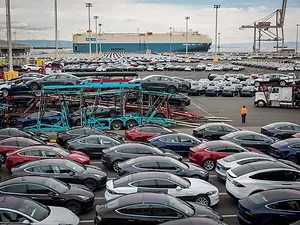
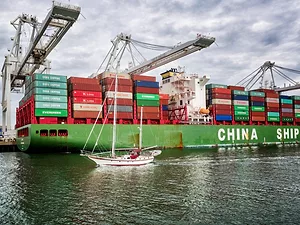
At least three ships roughly the length of two football fields are slated to arrive at ports in China by the end of this month, each carrying precious cargo from Elon Musk.
Many Chinese businesses and factories shut down for three to four weeks to allow millions of workers to return to their hometowns to celebrate the festivities with their families.
Huawei needs to be able to keep buying components from American suppliers, particularly semiconductors and optical gear, so that it can sell equipment to customers in Asia, Africa and beyond.
The purchase comes after President Trump said that China, the top soybean importer, had agreed to buy a total of 5 million tons of U.S. supplies following last week’s talks in Washington.
As the Trump administration rolls back rules meant to curb global warming, new disclosures show that the country’s largest companies are already bracing for its effects: disrupted supply chains, disabled operations — and new ways to make money.
In a new report researchers argue that even before President Trump launched his trade wars, the era of offshoring and disruption that left many factory towns reeling was over.