Truckload linehaul rates fell 1.3 percent from February to March, compared to an average month-to-month decrease of about 0.6 percent. Year-over-year, rates are up 3.9 percent.
The National Retail Federation estimates that nearly $9bn was lost by merchants in returns fraud in 2012. And according to a report from ThreatMetrix, online fraud resulted in about $3.5bn in lost revenue in North America last year.
While it can't be said that every company has tapped into web-based transportation management systems, such applications have been around long enough to no longer qualify as new - and their presence in the enterprise is growing. Is it fair to say that traditional TMS software has been overtaken by web TMS? Perhaps not, but such online, hosted or on-demand systems are proliferating. They are quick to deploy in most cases, they are highly scalable and the faster-time-to-ROI argument hasn't hurt web-based TMS adoption either.
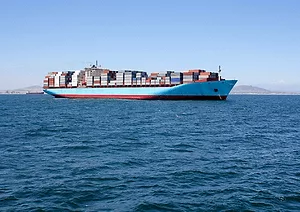
As expected the ocean container industry just about scraped over the break-even line in 2012, albeit only because of the results of a handful of leading lights. There is every chance that lines will make decent money in 2013, but only if they refrain from old habits and stick to pricing and capacity discipline.
Conceptually, supply chain "risk" is used to denote perils, loss, dangerous occurrences, hazards, and even vulnerabilities. Risks include everything from management functions to fraud, to fundamental honesty and loyalty issues encompassing every aspect of an organization's status and operations. In addition to the firm's built-in management risks, the international supply chain provides additional third-party risk elements such as foreign shipper practices, carrier practices, weather, foreign government involvement, unforeseen disruptions in the process, timing, language, cargo quality and quantity, even payment issues.