February data shows that air cargo maintained the modest improvement in demand that began in the fourth quarter of 2012, according to the International Air Transport Association.
During the past few years much has been reported about the transfer of manufacturing from Asia to countries located closer to western markets, but much of it appears to be hype over substance.
Nobody knows what the future holds for air cargo, but the mode is an important part of the economy, said Andrew Herdman, director general of the Association of Asia Pacific Airlines.
Challenge: Port Jersey Logistics provided fulfillment services for a Korea-based skincare product manufacturer, who soon landed a trial-run with one of the country's largest retailers. The unknown brand ran the risk of going unnoticed by consumers, so the skincare company promised the retailer "Buy-One, Get-One-Free" dual packs. A hurdle: the products were manufactured and packaged in South Korea and it was impossible for newly-packaged 2-for-1's to reach the retailer in time for their test run.
Regardless of the goods that are being shipped - from electronics to pharmaceuticals to fruit - once released into the supply chain, they are immediately at risk. And the longer they are in transit, the more vulnerable those goods become - facing threats of terrorism, of theft, or even of a natural disaster. Until the cargo arrives safely at its final destination, there are an inordinate number of things that could jeopardize the supply chain from running smoothly.
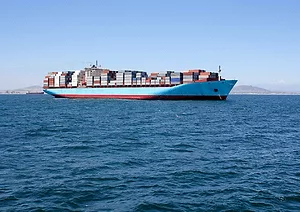
Drewry's research shows that the average size of vessel deployed between Asia and North Europe now exceeds 10,000 TEUs for the first time. Orders for Ultra Large Container Vessels (ULCVs) have been quiet recently, but the pace of growth in vessel sizes will continue to outstrip cargo growth for the foreseeable future.
The head of A.P. Moeller-Maersk A/S, owner of the world's biggest container shipping line, said China's efforts to boost domestic consumption and pare reliance on exports will help carriers as imports into the country may gain.
Results published by the Canadian General Freight Index (CGFI) indicate that the total cost of ground transportation for Canadian shippers increased by .575 percent in January when compared with December results.