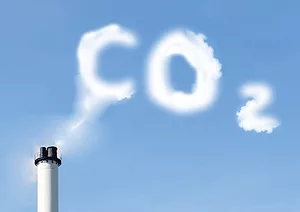
In 2014, renewable energy accounted for 9.8 percent of total domestic energy consumption. This marks the highest renewable energy share since the 1930s, when wood was a much larger contributor to domestic energy supply.
Companies are finding that the growing complexity of supply chains has a significant consequence: hiring the right people to build and manage the expansive operations is more difficult than ever.
The Council of Supply Chain Management Professionals (CSCMP) is partnering with the U.S. government in a new initiative to train and certify supply-chain professionals.
The people who manage a company's supply chain determine what a company is made of - or at least what its stuff is made of. It's hard to imagine a more important role. And it's a difficult one.
Typically, when a protracted longshore labor dispute comes to an end, and operations on the docks return to normal, all parties vow to move forward and bury any residual acrimony. This time around, that might not be the case.
Janssen Supply Chain has furthered its partnership with the Rutgers University School of Engineering by providing more than $6m to expand ongoing research efforts supporting the company's introduction of continuous manufacturing techniques for pharmaceuticals.
Today, there are many factors impacting supply chain strategy and ultimately labeling processes. Therefore, it’s important to take a close look at what changes are driving today's trends in labeling, which has become a mission-critical component in the supply chain as businesses continue to expand globally. Growing customer demands and evolving regulatory requirements are just a couple of the trends which have been identified based on input from more than 500 supply chain professionals, from a wide range of leading global companies, in a recent Enterprise Labeling Trends Survey.