New market opportunities are available to companies in almost every industry from the data that IoT delivers. These new opportunities could be as simple as getting information from sensors about what is happening on the manufacturing plant floor causing automatic manufacturing updates, potential adjustment to customer order delivery dates or even a maintenance work request to handle a detected equipment malfunction. All of these opportunities cause changes to be made to the supply chain.
Hydraulic fracturing has contaminated some drinking water sources, but the damage is not widespread, according to a landmark U.S. study of water pollution risks that has supporters of the drilling method declaring victory and foes saying it revealed reason for concern.
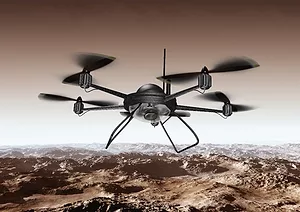
Tsuneishi Holdings Corporation is exploring the commercial applications of drones at its Hiroshima shipbuilding facility in an effort to increase both safety and productivity in daily operations.
Global supply chains will continue to expand in coming years, but at a slower pace than before, and in ways that follow different patterns, according to a report from Standard Chartered Bank.
How much does your business spend on trade promotions to drive product sales? According to a recent Forrester report, the average for a CPG company is 20 percent of revenues, but the investment vs. return doesn't always add up. You already know that some of that money doesn't generate any return, but it gets worse: Forrester estimates that one-third of that spend – about seven percent of a typical company's revenues – actually generates negative returns, cannibalizing high-margin lines and encouraging "pantry loading."
Many vital infrastructure projects struggle to progress beyond the concept stage because project preparation is such a costly, complex and risky undertaking. The difficulty is particularly acute in Africa, where projects encounter frequent challenges related to capabilities, the regulatory environment, project governance and financial resources.